
The Colorado Sun: A Bright New Way to do News
Launched in 2018, The Colorado Sun came to life against the backdrop of a historic downward trend in Americans’ trust in mass media. But the journalist-founded news outlet, based in Denver, built a new model that boasts a 98% renewal rate. As facts have seemingly become debatable and partisanship can feel overwhelming, what is it about The Sun that’s keeping readers’ loyalty as other newsrooms across the nation are shuttering?
“People, once they find a trusted source, once they recognize that this voice is bringing me the truth, then they can sort of relax a little bit into that,” says Founder and Editor-in-Chief Dana Coffield. “And that's not something we take for granted.”
The Sun’s reader-funded commitment to fact-based, in-depth, nonpartisan journalism strikes a chord for readers across the state—and their business model is proving there’s a way forward despite the collapse of traditional newsrooms.
We chatted with Coffield, along with Director of Development Alyssa Pinkerton, to learn how they’re changing the state of news media and about their journey to becoming a nonprofit.
Jordana: Dana, you have a deep background in journalism. What urged you to take the leap in 2018, as a senior news editor for the Denver Post, to start something altogether new?
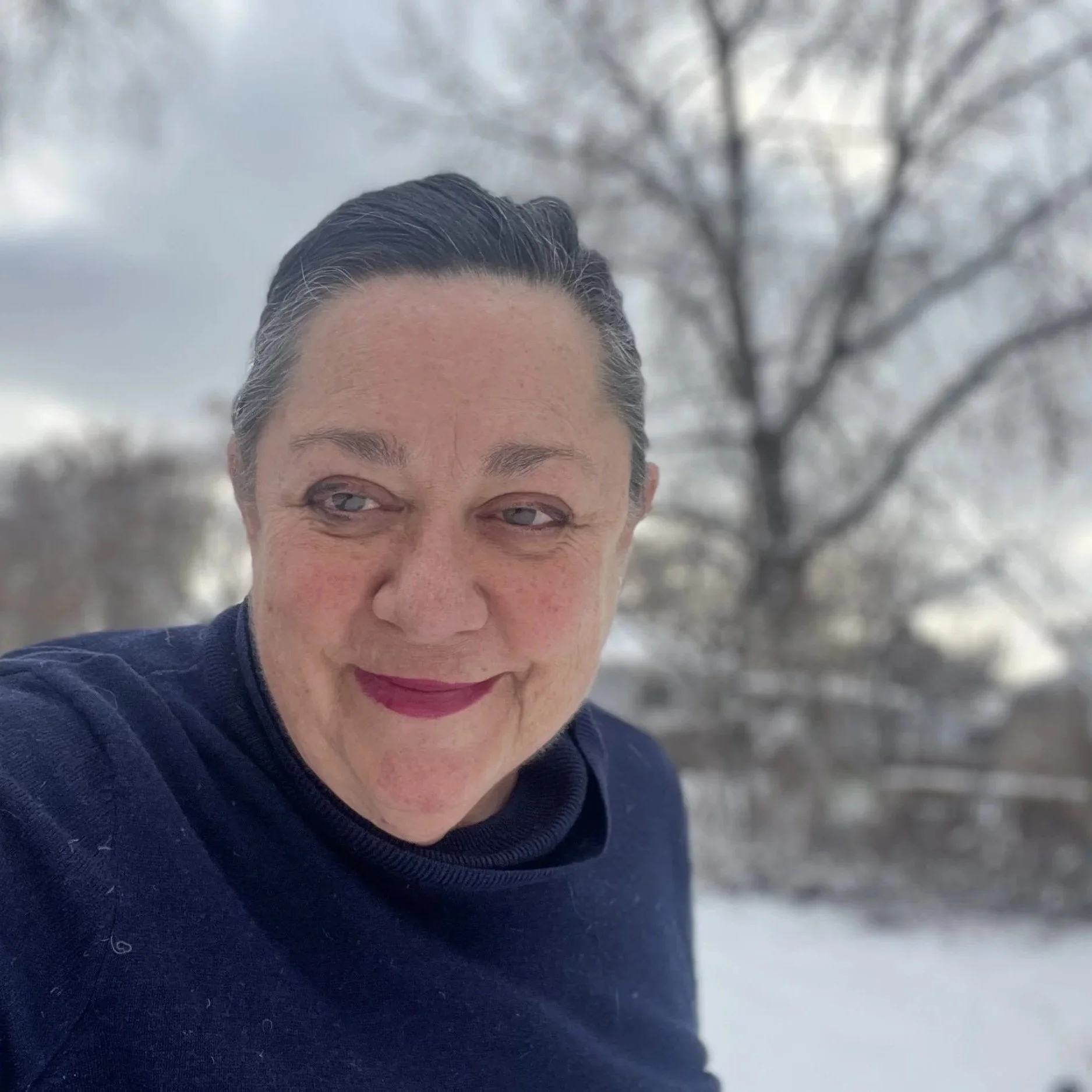
Dana Coffield
Dana: We had been through a couple rounds of layoffs. We had moved out of our downtown Denver building to the press plant, which I love being at a press plant, but that was supposed to mean we wouldn't have to lose more staffers and could continue to do work. Soon after, they announced we were going to have to let go 30 more people, and that was shaping up to be a pretty awful loss to us.
Around that time, a funder came along who wanted to test blockchain archiving technology, using journalism as an example because there had been a few petulant billionaires that had turned off the servers for publications they didn't like. They gave us a huge amount of money that created a real runway for us to jump off, so we created our own thing with the idea that journalists would control the publication from start to finish.
We were trying to figure out a way to do journalism that would be sustainable and help the state by creating a place where people saw themselves in the coverage. So we just got brave and went for it. And here we are. Everybody said we were going to die and we didn't. I like that. Thanks to the support of our readers and some really kind funders, too.
Jordana: So The Sun was structured differently from the very beginning?
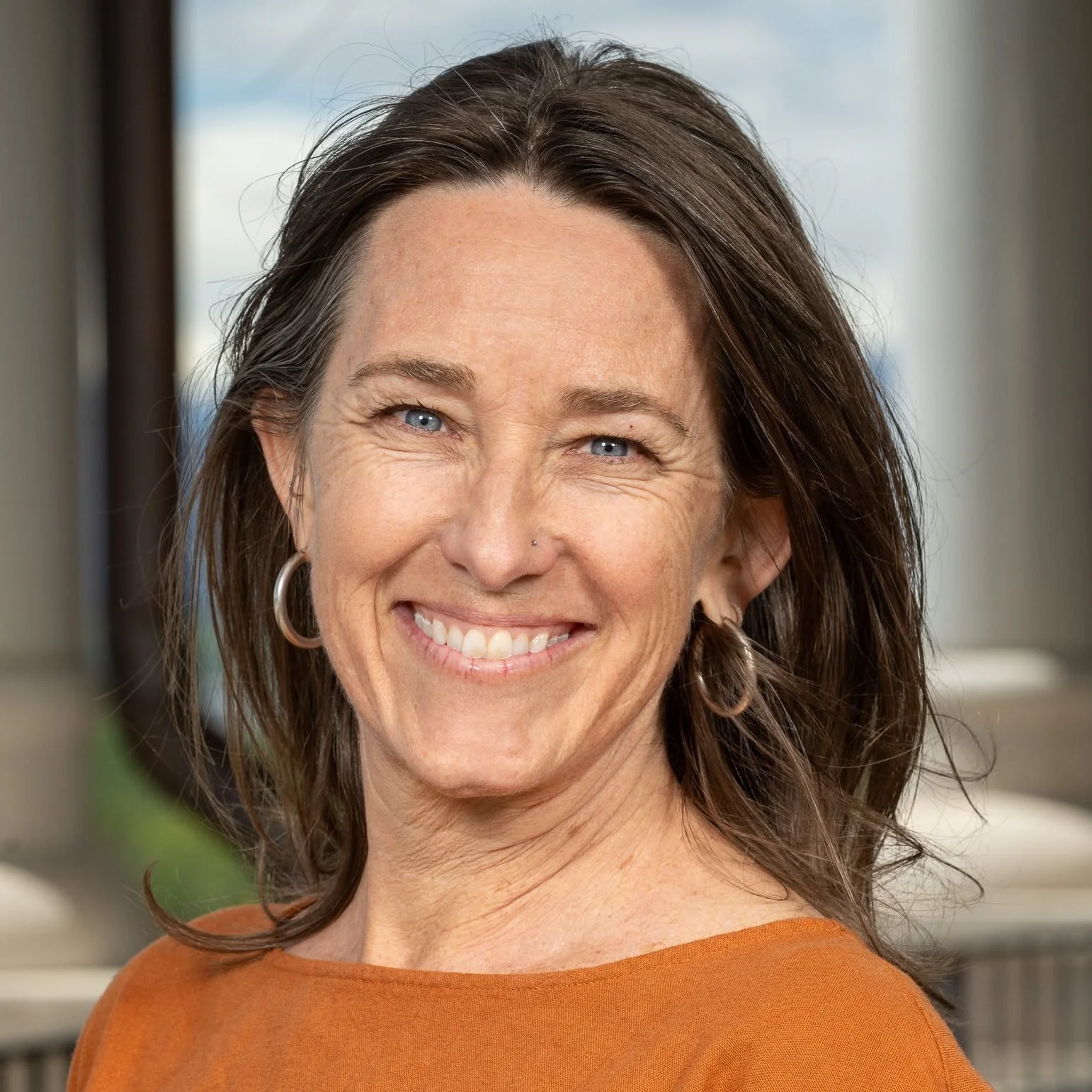
Alyssa Pinkerton
Alyssa: When we launched, The Sun was a public benefit corporation, and I think that was a really great step away from a traditional newsroom model with a different ethos and a mission-based ideal. And then moving into a staff-led nonprofit, which is key because 51% of this board will always be staff. So never again will this newsroom or the staff be blindsided by corporate owners or watch while outside decisions undermine the future of the newsroom. The staff members have a stake. And that was part of the founding. That's why I came to work here.
Jordana: What else did that mean for you, as an organization, to make the transition to nonprofit status?
Dana: We hired a chief operating officer who's getting our house in order in terms of human resources and staff evaluation and all those kinds of processes. And that's been pretty intense for everybody because it's learning a new rhythm in the business, which is 100% necessary for our accountability to ourselves, to our readers and to our funders. This is predicated in part by our transition to nonprofit, which though it doesn't change our mission in the least, means we have a lot more reporting we have to do. That transition has been hard because any change is hard, but we're starting to understand the benefits now, so I'm feeling pretty OK about that.
Jordana: That makes me curious to hear more about what you are discovering around new business practices. But, what are your biggest challenges right now, as a newsroom?
Dana: I think the greatest stressor for our staff is that we’re lacking the kind of capacity we really need to hit all of the subject matter we would like to be hitting at this time. And so even though we're working really hard and having organized plans and anticipating that this summer's probably going to be kind of crazy here in Colorado, we are feeling anxious about not being as effective as we can be. I think that weighs on us quite a bit.
Jordana: Definitely. With so much to cover, and so many important and often pressing issues facing Colorado this summer, how do you keep from getting bogged down?
Dana: We’re hyper aware our audience has news fatigue, and so we need to work on making sure the offerings we provide on a day-to-day basis aren't just all doom and gloom. It would be super easy for us to do 24-7 doom and gloom, and we have people who are capable of doing that, but our audience tells us they're not clicking on all of those stories. We also have to make sure we're offering some good news. I don't mean it like Pollyanna-kinds of things, but things that people are doing that are affecting real change.
Jordana: At Mighty Arrow we certainly keep our eye out for the “good news” that teach us about new solutions. I also want to acknowledge that’s tough to balance and takes a lot of work to seek it out. What does that look like in reality for The Sun?
Alyssa: Solutions journalism is something we've been doing forever, but it's really a way to address that despair. We have to report on what's actually happening. And some of those events are really upsetting and hard for us to acknowledge. But the solutions part is focusing on what people are trying, what's being successful, and that gives us an entry point for action.
We're focusing on that now more than ever because I think the climate is hard. It's hard to protect ourselves and have joy and have light when the light is from fires.
We support each other through really recognizing and acknowledging that these are hard times. Some of the stories themselves and the sources of stories are really hard, psychologically, to continue to report on day in and day out. I think that it's a great community of people who know how hard it is and who are there for each other. Our team also has a really raging sense of humor.
Jordana: Mutual support and a sense of humor is crucial right now. Can you give me a real-life example of solutions journalism at The Sun?
Dana: One of the coolest stories is that there’s a baker over in Southwestern Colorado who is specializing in creating bread from low-water grains. Just on its face, it’s kind of aspirational for people. And it also tells us something about a corner of the state that doesn't get a ton of coverage.
And we had a great response to a story a couple months ago where one of our young reporters went out to really rural, rural, rural Colorado, out near the Oklahoma border, where this town had no grocery store. The people in the town created this amazing store out there on their own about 10 years ago, where they stock a bunch of local foods. So if you're going there to buy a steak, it probably came from your friend, the rancher, and lettuce comes from greenhouses in communities along the Arkansas River. People loved reading that story. It looked like a tiny King Soopers or a tiny Kroger, everything you could possibly want in there and all of the local products. And they did it themselves. They didn't have to wait for some grocery distributor to come and build a store.
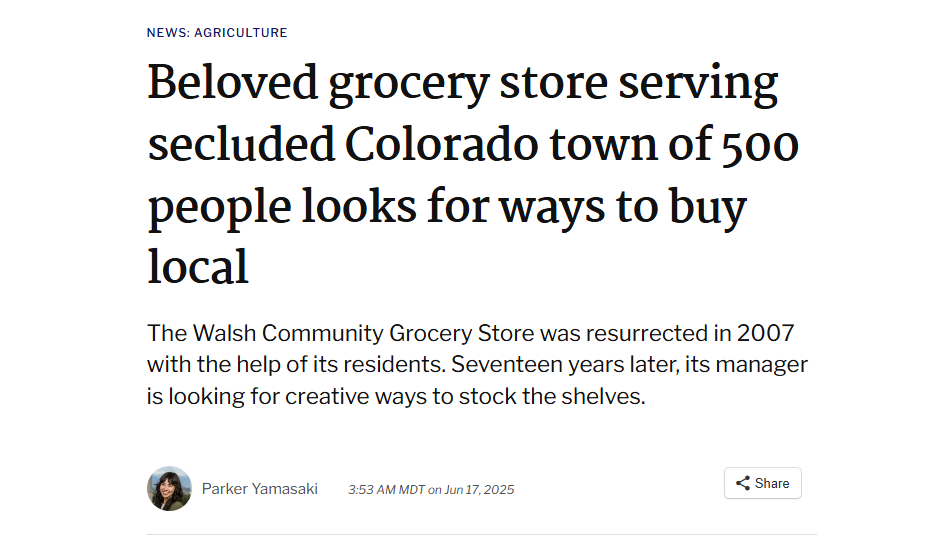
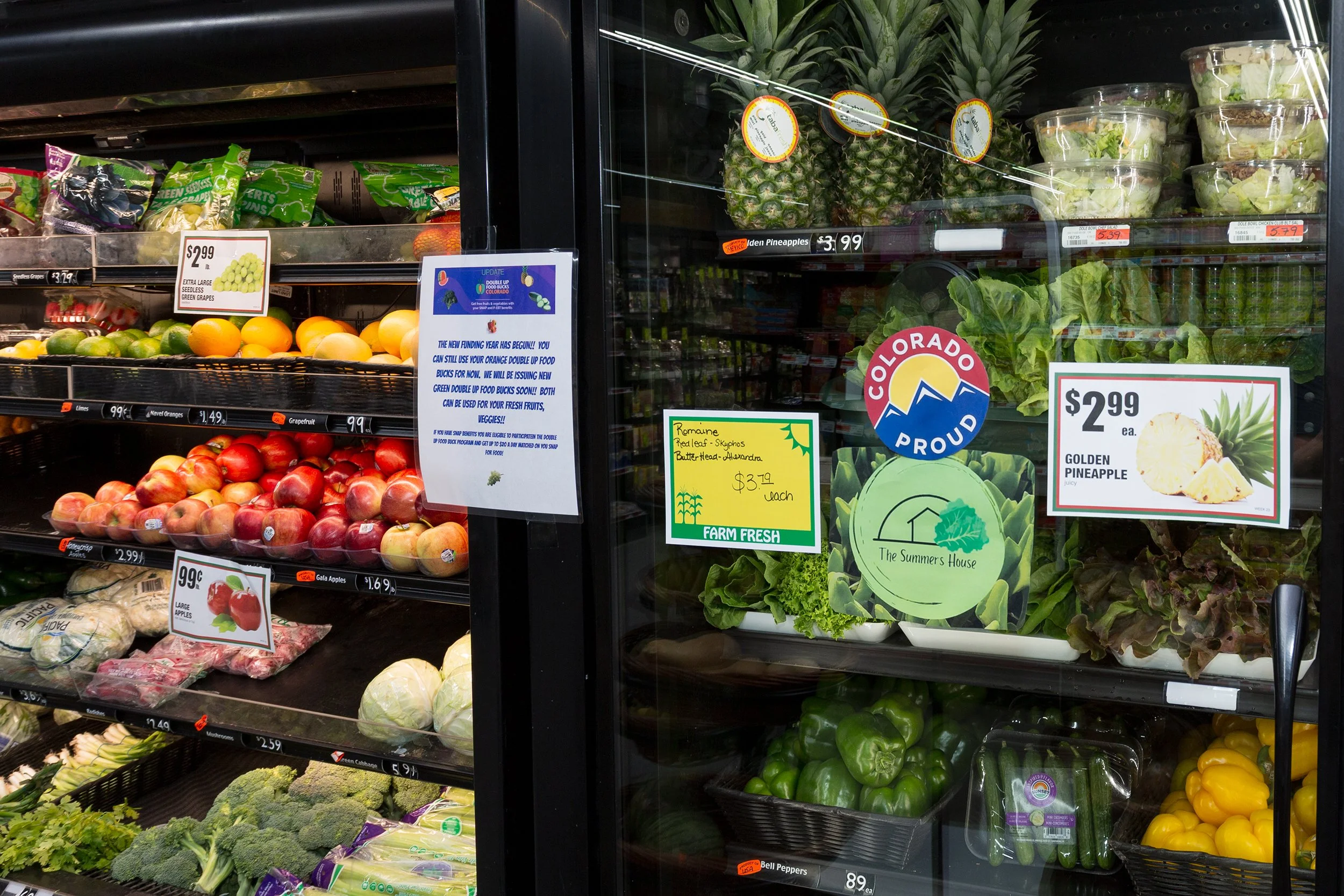
Walsh Community Grocery Store, photo credit @Jeremy Sparig
When we tell those stories about places that are just getting things done, we're really successful. It's also super gratifying because it goes right to the heart of our mission, which is trying to help people understand themselves in the context of Colorado.
Jordana: That’s such an inspiring example! I bet it can be challenging to replicate that level of story seeking day after day. Other news outlets in the state have shrunk their circulation and the focus of their reporting. But you’re aiming to expand yours. Can you tell us more about that?
Dana: We're aware there are these broad communities that face the exact same issues we have in the Front Range but we do not often center reporting in those other communities, so we're trying to do that more. We have a lot of intentionality around that. We also have a really great core of freelancers and freelance photographers all over the state. So chances are, if we're going to center reporting in southwest Colorado, we can either use our reporter who lives in Durango or any number of freelancers in that area and get more and better local access.
There are some areas that we have a hard time covering effectively and we're working to be better at that. We're aware of our shortcomings. We're not satisfied just being the publication of the Front Range. We feel a real duty to witness — to be out there in the rest of the state too, because they don't get political attention, they don't have the votes to get anything done. They feel that a lot, and that's not fair.
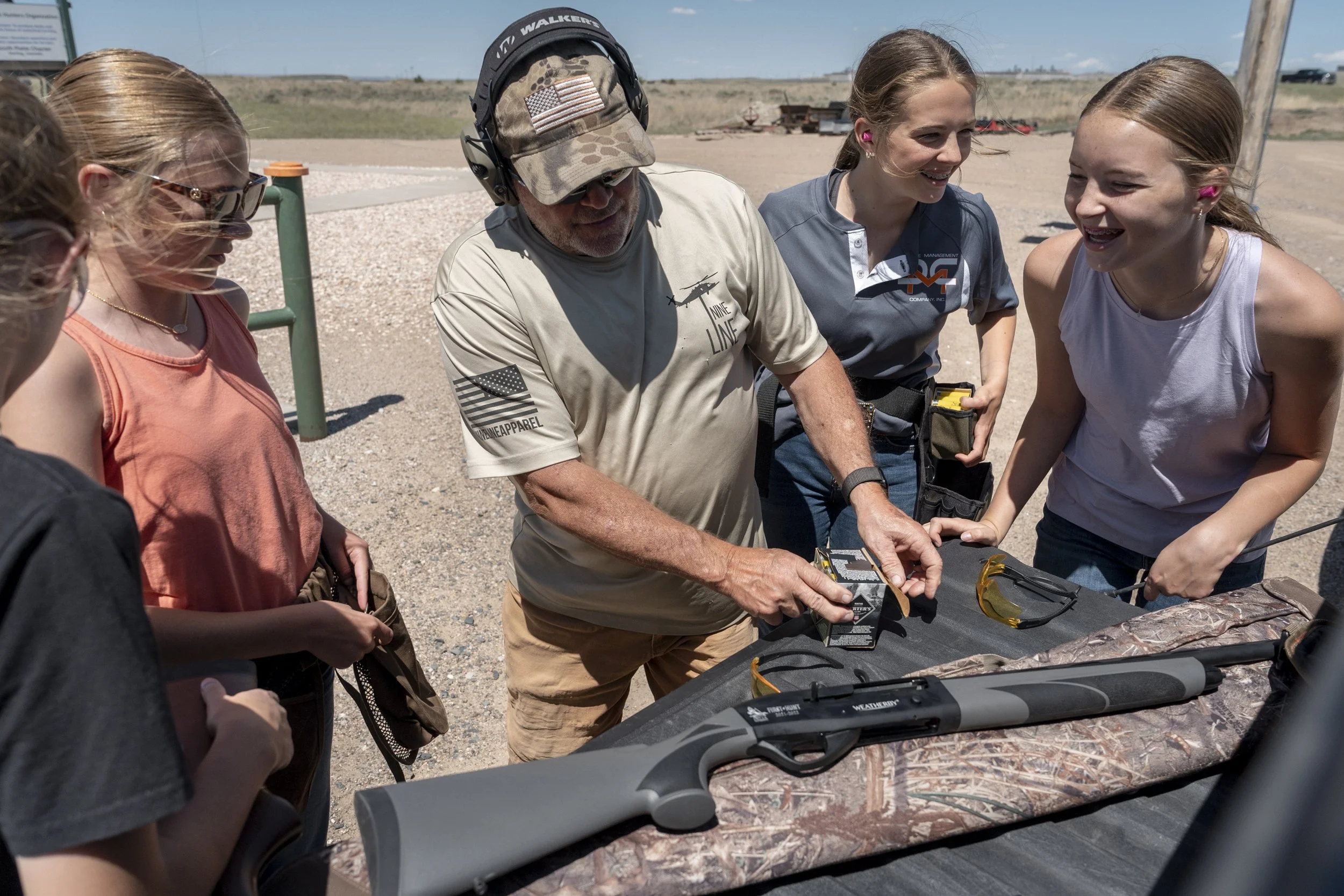
Trap Shooting Team in Sterling, CO, photo credit @Cheney Orr
Alyssa: And part of what the Mighty Arrow Foundation is funding is our outreach to and more deepening in communities that are underserved. We're starting with northern Colorado and the Eastern Plains especially. And the way we build trust is by showing up in person and by listening.
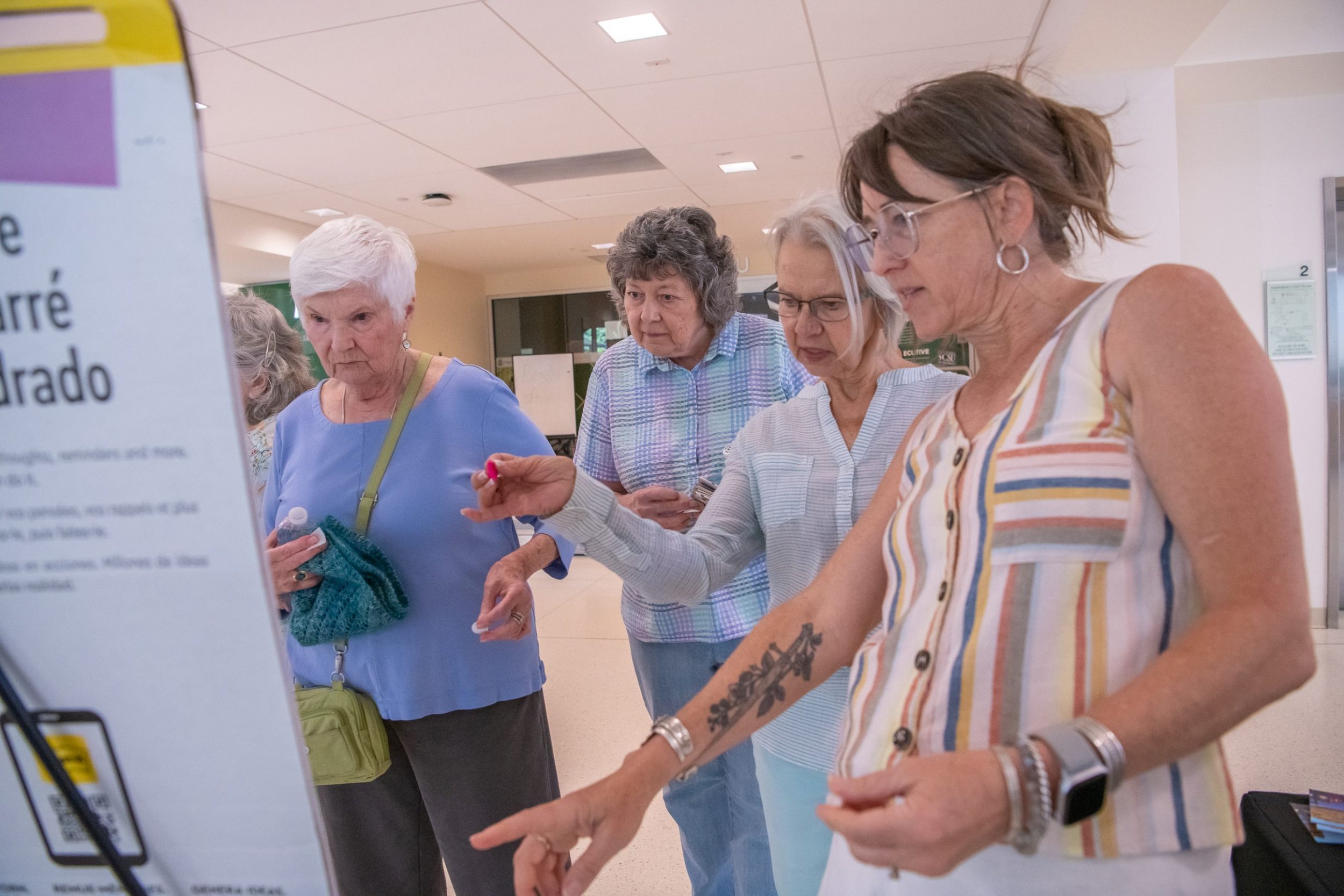
Alyssa Pinkerton engaging with community members at the Democratic Gubernatorial Forum, photo credit @Tanya Fabian
Dana: We had a first round of listening sessions in November and focus groups and new things called solution circles. And before we actually step into that region with potentially more reporters or deeper coverage of the stories of those rural communities, we want to have relationships and we want to really make sure that we're serving the community.
Jordana: Speaking of trust, part of traditional media’s struggles have been with reaching new generations. As audiences in general are less trusting of news and less able to tell fact from fiction, how are you connecting with younger communities?
Dana: I’m actually in a high school talking with kids today. The interesting thing to me is that we can say that truth isn’t resonating or that they don't care about news, but these are ninth graders and they were like, "Help us understand how to know what's high quality."
So it’s doing media literacy work, and also being on all of those platforms and presenting our content where people want to be. The market's evolving. We’re really working on a social strategy with vertical video and trying to figure out how to bridge the quality gap and acknowledging that's where the next generation of readers are probably going to come from.
Alyssa: We also have a certification with the Trust Project. It's a great set of hoops that The Trust Project asks newsrooms to go through to prove to the community that they've gone through the steps to acknowledge when they've made errors and print the errors so that people understand that people make mistakes, but we don't want to intentionally make mistakes. We want to bring the actual truth to you and here it is. Also being transparent about our journalist's experience and expertise and skill level. Our readers are hyper loyal.
Jordana: Obviously that’s resonating with your audience. As you’re approaching a decade of publication, do you see this model being replicated elsewhere?
Dana: We’re open to helping anybody who wants to hang with us. We're happy to help with that. In fact, one of our funders had a convening in Salt Lake City among other independent and nonprofit news organizations, including The Salt Lake Tribune, Nevada Independent, Montana Free Press and WyoFile. That was the subject matter: How do we build for sustainability? And are there things that we can be doing together to help us be sustainable?
This might look like having a shared grant writer, for example. Or an insurance buyer's club because everybody's struggling with the cost of insurance in our rural areas. We all share problems that feel kind of like existential threats. And It's weird if you grew up in competitive publications like I did. Nonprofit newsrooms are hyper collaborative. We share templates, we share resources, we share stories. That's our ethos. We share free news. We share challenges.
Jordana: That’s definitely not journalism business as usual, but it feels like a model lots of nonprofits could learn from. I have one last question before I let you go. With all your success, do you see The Sun expanding elsewhere?
Dana: I don't imagine we're going to plan to go outside of Colorado. When we think of how Colorado was served 10 years ago, 12 years ago, there was so much more news coverage happening. We would just like to get back to that level. That's enough of a job for us.
Jordana: I guess that’s good news for Colorado!
To read more or to join us in supporting this important work, go to coloradosun.com.
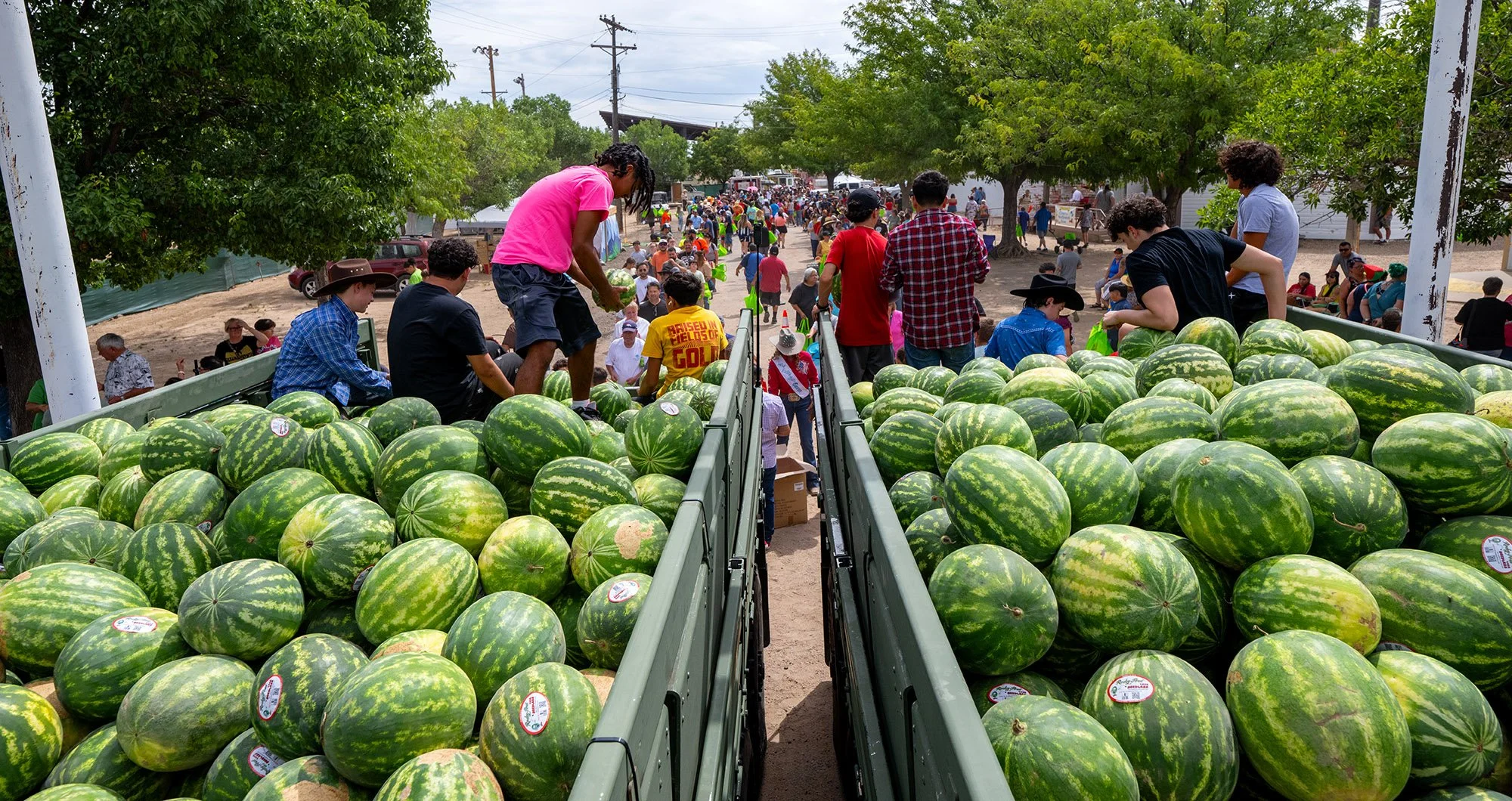
Arkansas Valley Fair, photo credit@ Mike Sweeney