
The Art of Storytelling: Filmmaker Lindsey Hagen and the Resurgence of Colorado Rye
Covering the rise of alternative crops in the struggle to survive the water crisis
For Lindsey Hagen, a story usually begins with a "lightbulb moment." As a documentary director and business development executive with over 12 years in the field, Hagen has built a career on high-end commercial work for brands like Nike, The North Face and Google. But when she isn’t traveling for global clients, she’s at home in Nederland, Colorado, where the stakes of storytelling feel much more personal.
"Thoughts around weather patterns, fire risk and low snowpack enter my mind on a recurring basis," Hagen says. "The longer I live here, the more I see the direction things are going, and the more I want to support and celebrate community leaders who are proactively working to solve for some of these pressure points."
Hagen continues, “As a storyteller, and someone who is participating in media and the sort of stories that we see circulating, I feel it’s a privilege, and also a duty, to uplift the people who are trying to preserve the natural resources that we have here in Colorado.”
The Lightbulb Moment
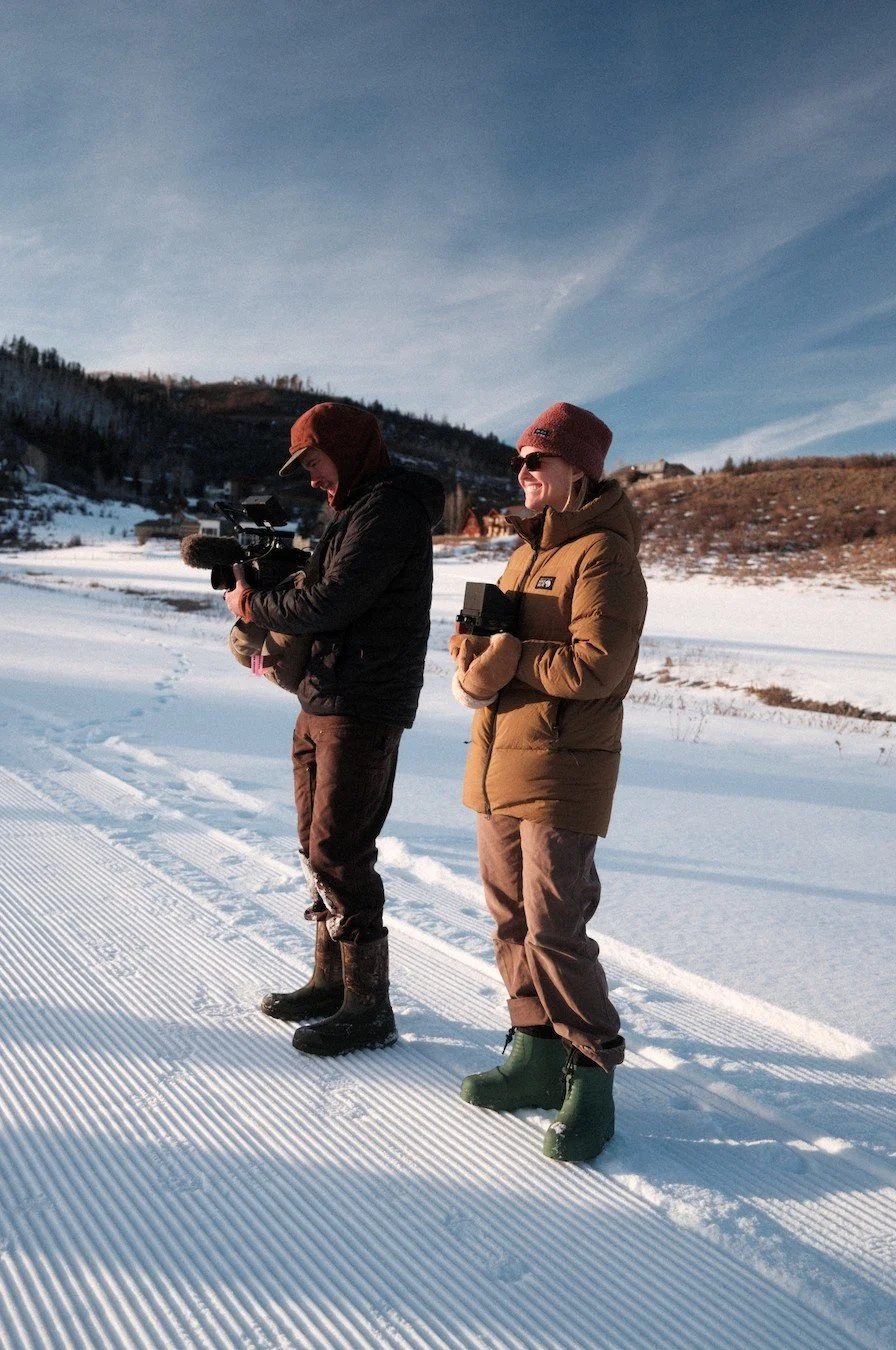
Lindsey Hagen
Hagen’s journey into the heart of Colorado’s water crisis didn't start in a field, but through a global lens. A few years back, while directing a film series for The North Face’s sustainability team, she explored the world of regenerative cotton and rubber in their film series, Groundwork.
"I've always been a passionate eater,” Hagen laughs. “When I started looking at food as an agricultural product, it was like this lightbulb moment for me. It was a way for me to be involved with food systems and storytelling in an effort to promote thriving ecosystems."
That project sparked a deep-seated fascination with regenerative agriculture—the practice of farming in harmony with nature rather than in opposition to it. For Hagen, who grew up on the East Coast but says she moved to the mountains of Colorado as quickly as she could 20 years ago, the connection was instant. Nature is where she goes to ground herself and "slow down the mind." In the farmers who practice regenerative techniques, she found a mirror of her own reverence for the land.
“I've found that the farmers—are at the forefront of this movement,” Hagen says. “The farmers who are starting to build these practices have a profound love and respect for the land.”
San Luis Valley’s Rye Resurgence Project
That lightbulb moment she found in Groundwork, turned into a mission. Her interest and curiosity was so strong, Hagen attended panel discussions and conversations around Colorado’s food systems, agriculture and alternative farming methods. She even began thinking of going back to school to study regenerative food systems. And then she met a San Luis Valley farmer named Sarah Jones and the spark of her next project burst to a flame.
"She did such an amazing job as a storyteller and advocate," Hagen says. "Her personal anecdotes of what it means to live in the San Luis Valley, as a multigenerational farming family and a mother of three—it resonated with me to the point where I had chills and tears in my eyes."
Jones was speaking about rye—a hardy, water-saving crop that could be the "saving grace" for the valley. The San Luis Valley is a high-elevation community in south central Colorado where the water table is dropping so fast that some farmers are being forced to walk away from legacies that span generations. The Rye Resurgence Project, co-founded by Jones, aims to educate Coloradans and scale up demand for rye in the state. By teaching about the benefits of rye for baking, distilling and brewing, the project aims to create enough demand to keep the valley’s drought-threatened economy from collapsing in the wake of climate change.
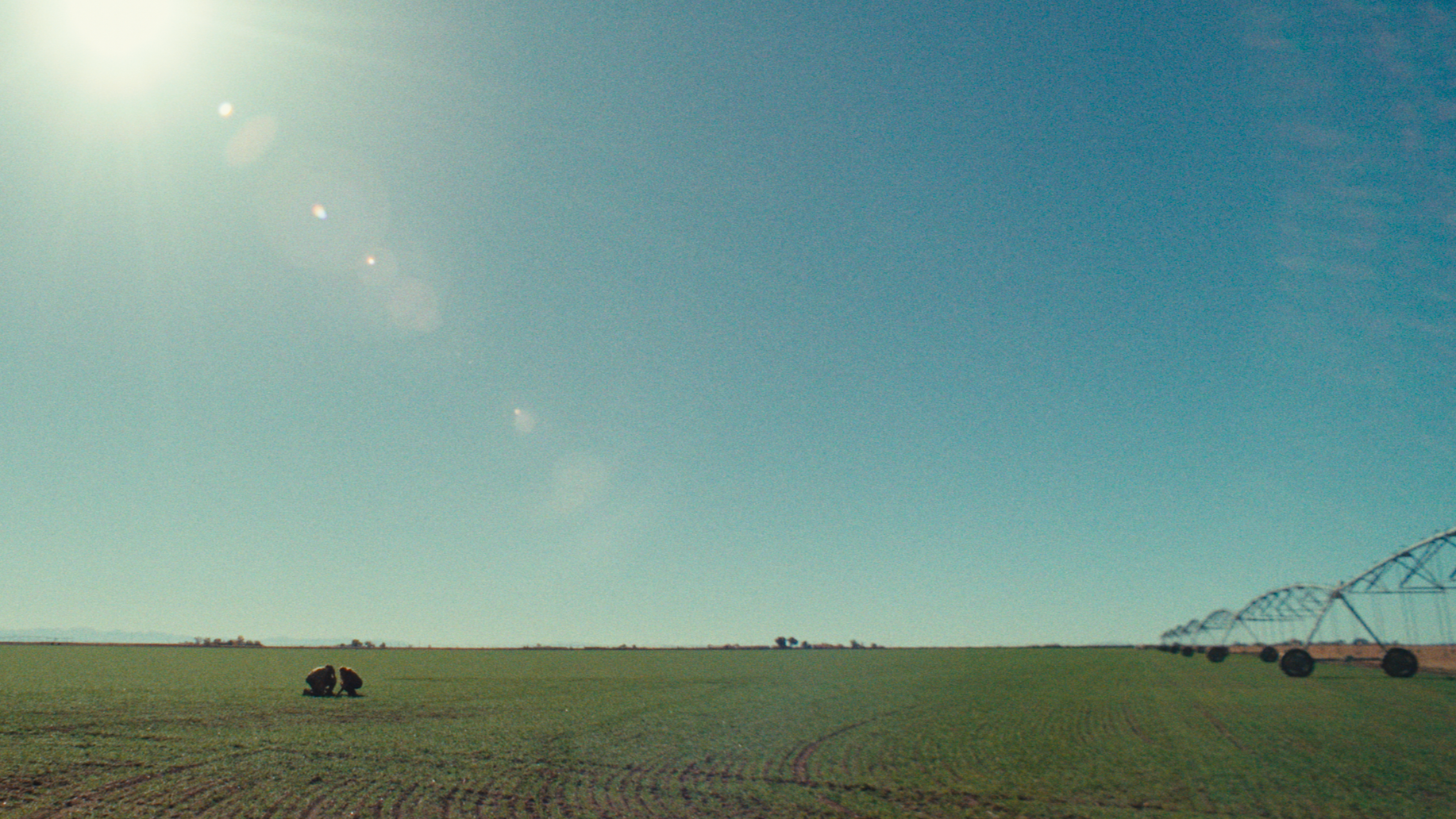
Photo Credit @Lindsey Hagen
“We're seeing maltsters, distillers, brewers, bakers, all starting to utilize San Luis Valley Rye in their products and then creating demand within the community through consumer education and an eagerness to try something new,” Hagen says. “And that's phenomenal.”
The valley’s economy is built on family farms, and like most areas in the West, the community is facing tough choices as they learn to live within their means, water wise. Despite its remoteness, surrounded by mountain ranges and bisected by the Rio Grande, the community seems to be energized; coming together to champion water saving, alternative crops like rye and build infrastructure and demand the will help shift the tide towards farming practices that can be sustained into the future.
But the San Luis Valley’s water issues won’t be overcome just by working within the valley, Hagen says. Demand needs to spread across the rest of Colorado, in the more populated areas—and ultimately beyond state lines. Which is what she hopes her film will do, identifying Rye Resurgence partners on the Front Range, in the Roaring Fork Valley and Steamboat who are all sourcing San Luis Valley rye, helping to drive market demand.
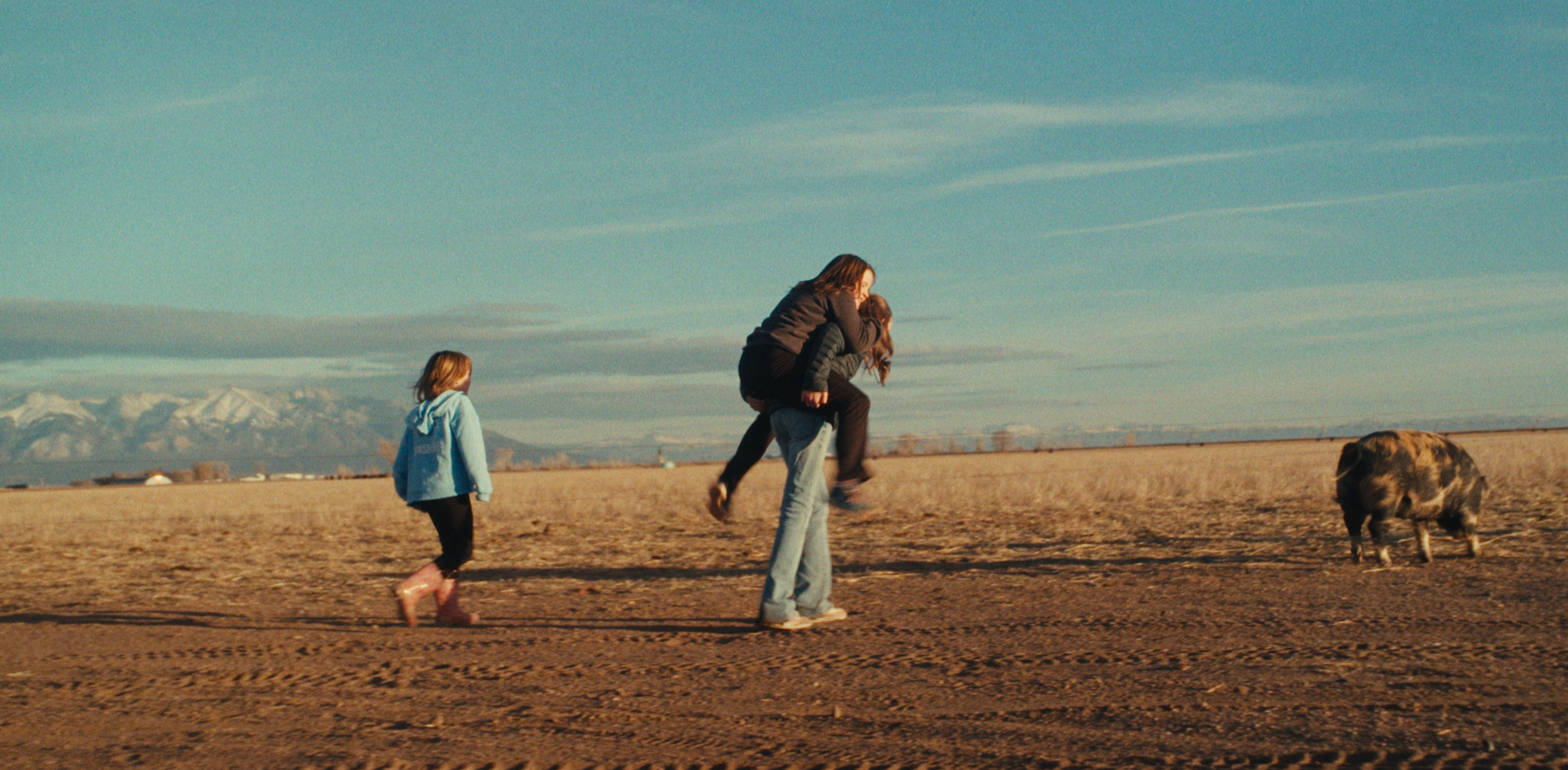
Photo Credit @Lindsay Hagen
Finding Hope in the "Beginner’s Mind"
As a documentarian, Hagen says she’s learning all this in real time, doing her best to keep the proverbial beginner’s mind. Without a background or specialization in agriculture or food systems, she brings the perspective of the general public and the consumer—exactly the audience she hopes will be affected by this film. And the more she connects with the tight-knit San Luis Valley community and learns more about their water issues, the more admiration she has for those who are willing to accept the inherent risks involved in trying new systems for the love of the land and the natural world.
“It feels so urgent and people's ways of life and the ecology in the valley depend on drastic changes,” Hagen says, who emphasizes that acknowledging the very real risks of experimenting is important. “I want to create a film that feels approachable for farmers. Sometimes in films that take on scary topics like water or massive ecological change, it can very easily fall into these tropes of doom and gloom and shame and finger pointing, and that's not what this project is about. This is about uplifting a community, and celebrating even the smallest step in a new direction.”
Meeting farmers who are taking the first small steps of adding a bit of rye into their rotation or as a winter cover crop or for cattle forage is extremely energizing, she says. “There are so many incremental steps that farmers can take and what I'm seeing in the process so far is that as we continue to create demand in the marketplace, it'll only be easier for farmers to assume that risk when there's market demand.”
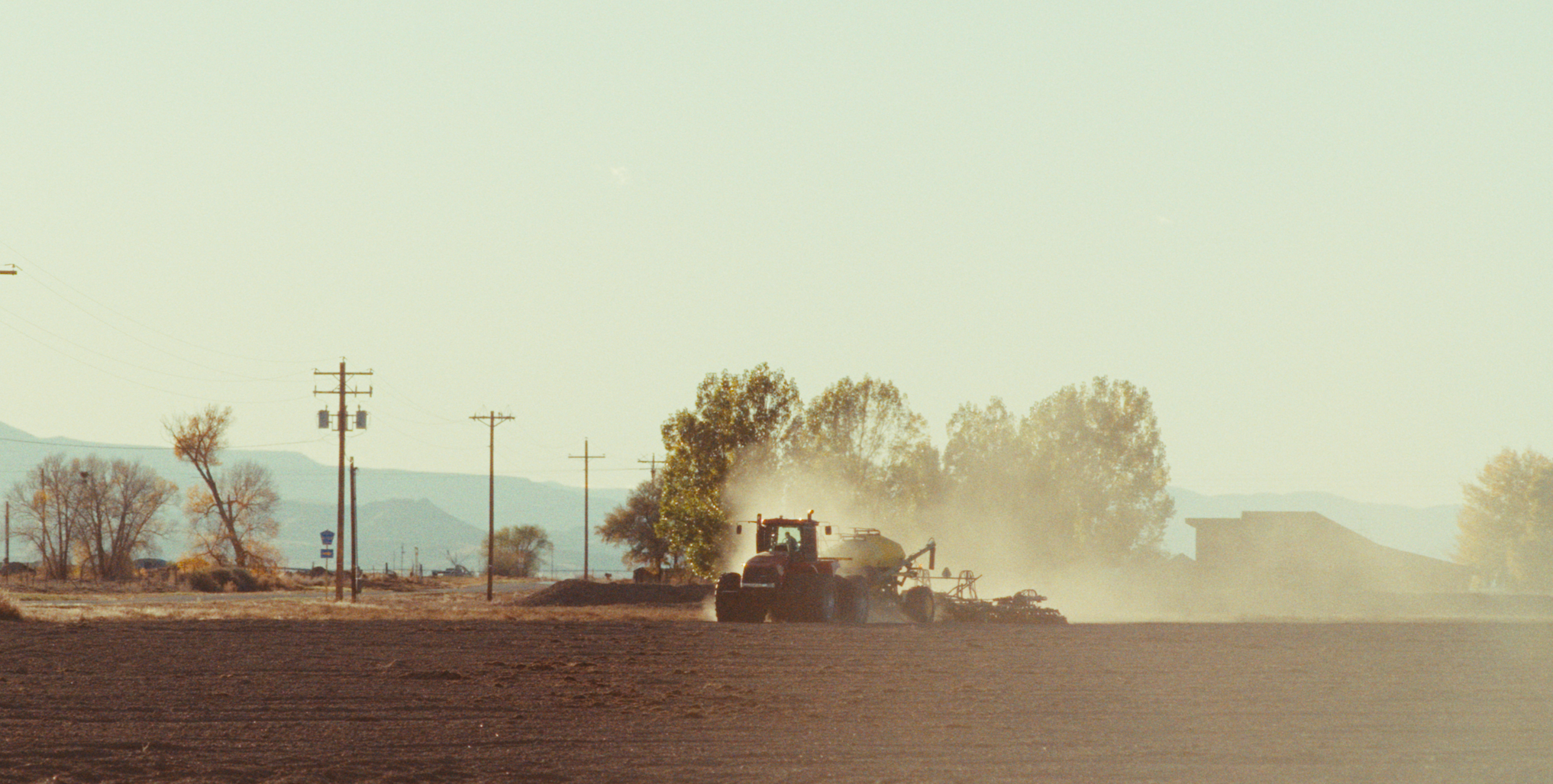
Photo Credit @Lindsey Hagen
With even more water restrictions looming, change is not negotiable. Which can bring a heavy tone. Hagen says she wishes she could have made this film sooner to multiply its impact—but what makes her hopeful is the advocates and leaders in the valley actively seeking solutions.
“There's no beating around the bush. Everybody in the valley knows that saving water is non-negotiable,” Hagen says. “But this is not a dead end conversation. And that's what I love so much about The Rye Resurgence project. It’s not just doom and gloom, it’s a solution oriented strategy. And I love how inclusive it is, we can take this energy into conversations with consumer packaged goods companies and school districts, and, you know, pizza parlors on the front range- there’s just so many options. It's a pretty compelling sales pitch when you talk to bakers, brewers and distillers about why they should try rye in some of their recipes.”
Hagen says that water is certainly at the forefront of people's minds, but so are proactive and creative problem solving—and that’s what the Rye Resurgence Project is all about.
The Future: Lighting the Way
With support from the Mighty Arrow Family Foundation, the Colorado Water Conservation Board and Rio Grande Restoration Foundation, Hagen plans to film through the rye harvest this fall, gathering stories of farmers at different stages of implementation as well as bakers, brewers and distillers who are integrating rye into their recipes. While the story is sure to resonate with foodies, farmers and water advocates, Hagen is working to make sure that when the film launches in 2027 it will reach a much wider audience, aiming to shift the way the general public thinks about what they buy and eat.
“The majority of consumers Colorado may not think about where their water comes from, or when they go to the grocery store, they're not necessarily looking for Colorado local products,” she says. ”I really want to change behavior and thought patterns with those folks, and hopefully shift to a little bit of a more conscious decision-making matrix for folks who haven’t made the water connection quite yet. I think that's where we have the potential to change behavior and potentially shift the general public into advocates as well.”
For Hagen, the project is about so much more than rye; it's about the hope that if we can create a market for resilience, we just might have a shot at keeping the landscape she loves thriving for generations to come.
Watch the Rye Resurgence sizzle reel and learn more about the project here.
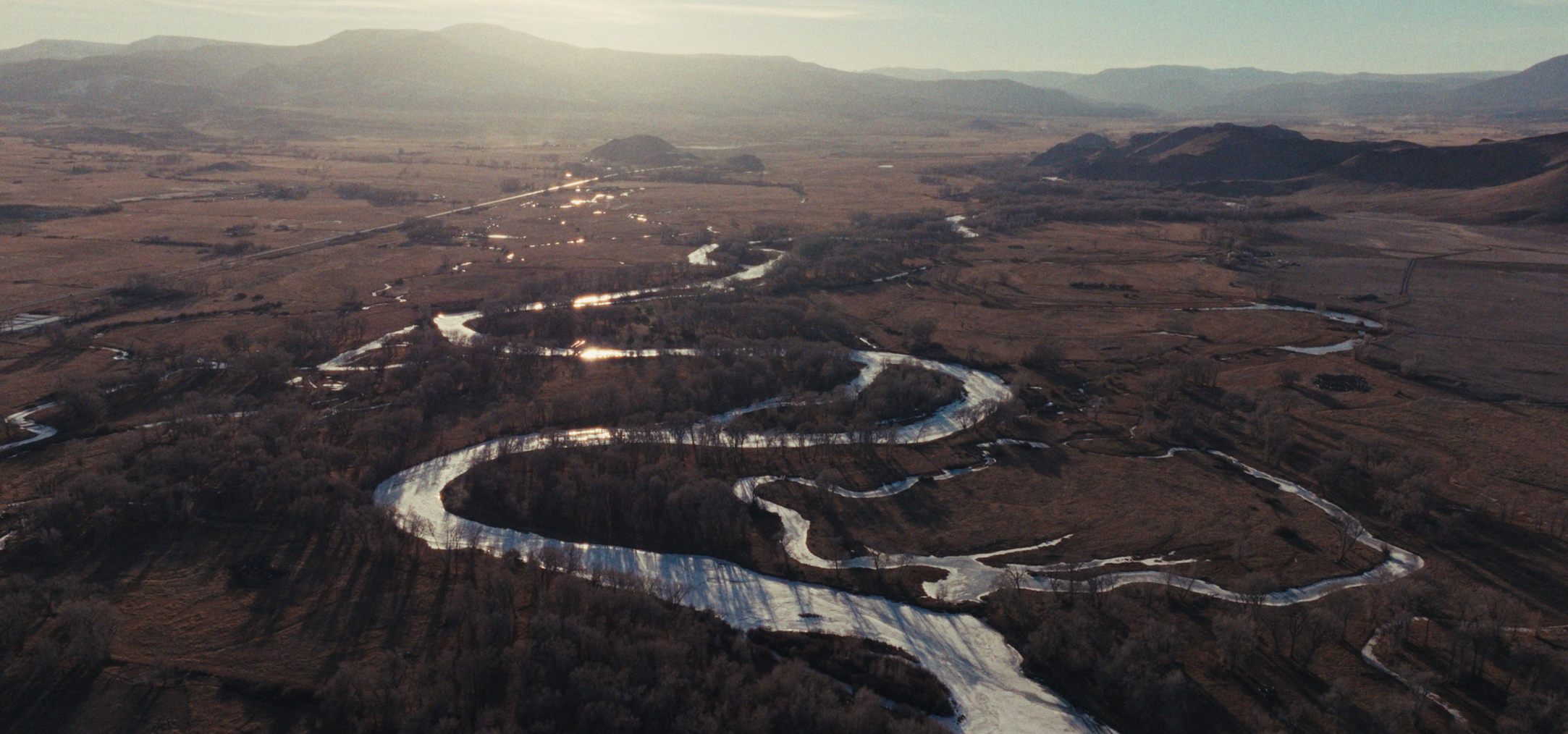
Photo Credit @Lindsey Hagen
We’re in a defining moment—a moment where we can choose to be overwhelmed, disconnected and discouraged, or where we can choose to be positive, embrace change and lift up the work of others seeking a better future together. We’re proud to support the work of the people and organizations out changing this world for the better—for all of us. Some may be small, some large. All are mighty. Each month, we highlight one of our Mighty Partners and we encourage you to get to know them, support them, and share their work with your friends, families and colleagues. Let’s get to work.