
Evan Weissman says he got into this work because he wanted to win.
Not win an argument. Not win an election. Win in the deeper, more human sense—where people feel seen and agency over their lives, where communities take care of each other and change is something real, tangible and something you can see in your own backyard.
For Weissman, the founder and co-director of Warm Cookies of the Revolution, traditional pathways weren’t getting him there. Activism alone wasn’t enough. But activism infused with radical creativity? Well, that was something.
It’s an approach that didn’t just ask people to show up on election day, but invited them in—every day.
That invitation is at the heart of Warm Cookies of the Revolution, a Colorado-based civic engagement organization that is reshaping how people think about community and power, and their role in it.
Alongside Weissman is Adrian H. Molina—artist, poet, producer and co-director—whose work is rooted in imagination and a deep belief that creativity is not a luxury, but a fundamental first language.
For Molina, creativity isn’t an add-on to civic engagement—it’s the starting point, it’s the heart of the matter. Together, they are reimagining civic life not as a distant system you occasionally interact with, but as something you practice every day.
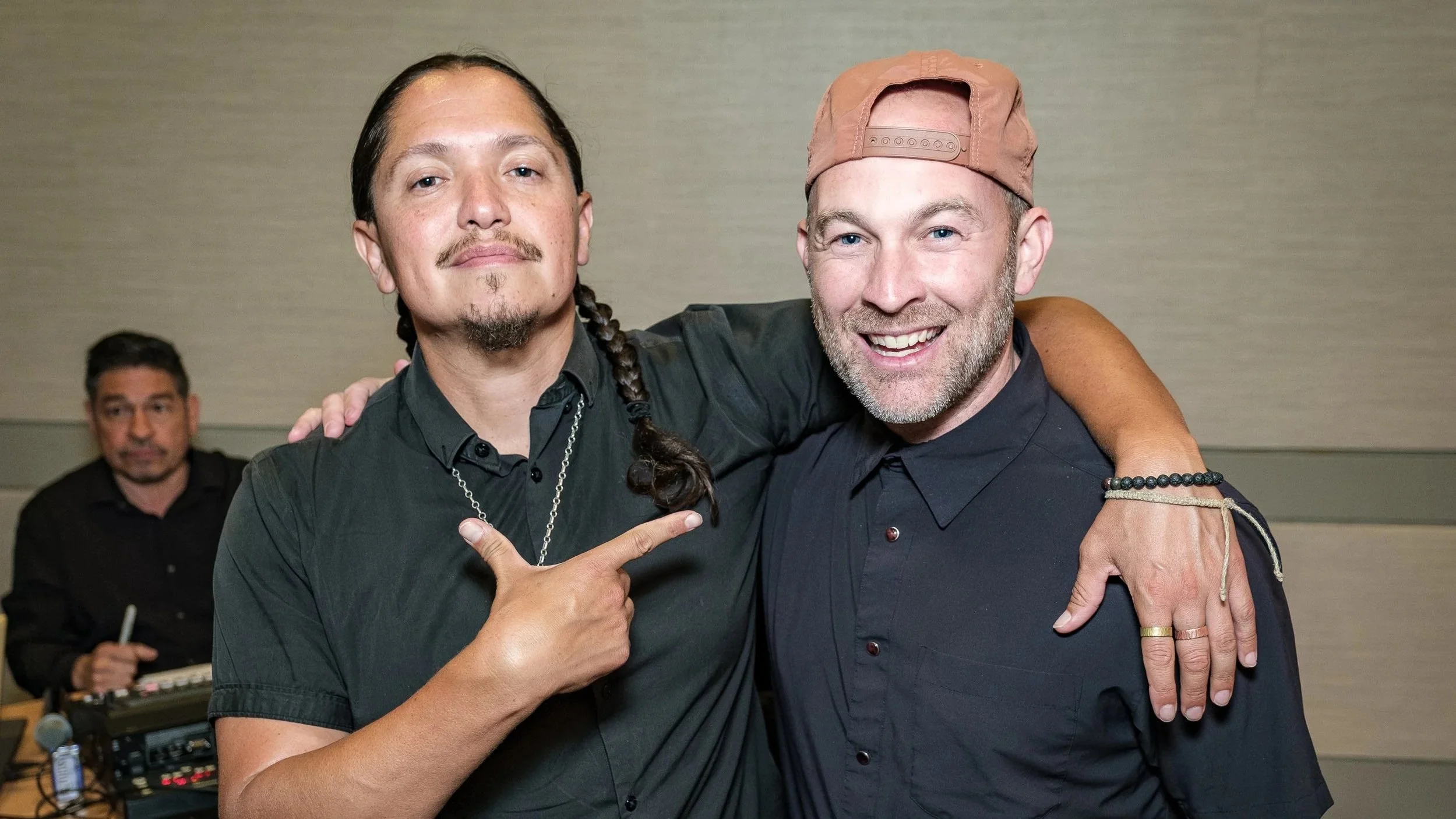
Adrian Molina and Evan Weissman, photo credit @Warm Cookies of the Revolution
Creativity as the First Language of Civic Life
“Creativity is at the heart of what it means to be human,” Molina says. “It’s part of our collective and spiritual purpose. If we want to co-create a better world, we have to actually exercise that muscle.”
Warm Cookies operates on a simple and powerful premise: People don’t disengage from civic life because they don’t care—they disengage because the way we ask them to participate feels inaccessible and disheartening. Power feels far away. So does winning. And joy.
Warm Cookies flips the script.
Instead of forums and panels, they host games and carnivals. Instead of lectures, they publish zines, poetry and visually stunning books. Instead of telling people what civic participation should look like, they invite people to experiment with it—together. And they keep building; bit by bit, community by community, urban and rural. No dry civics lectures here, just delicious, gooey and unstoppable power building.
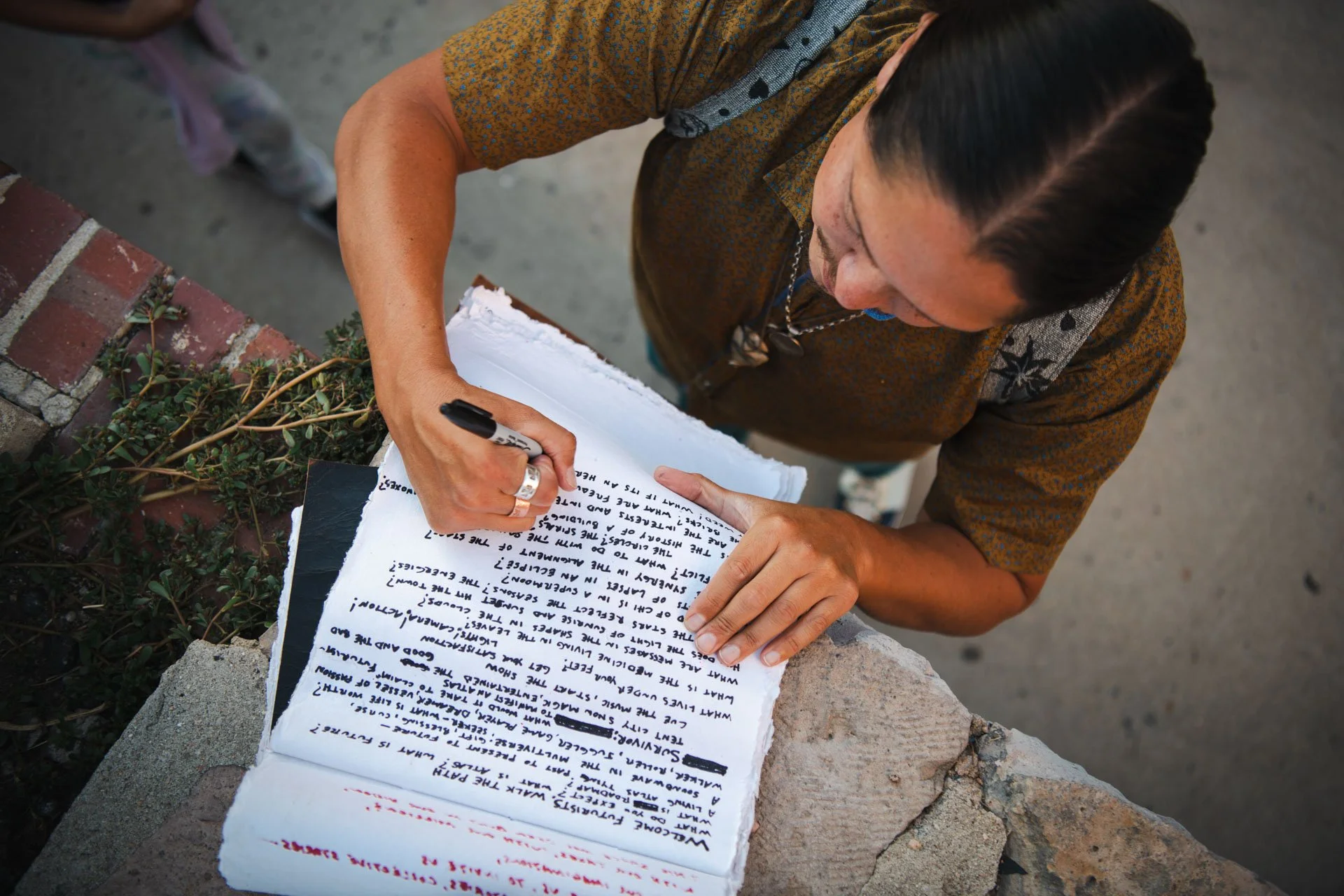
Photo Credit @Warm Cookies of the Revolution
“We can’t keep doing the same thing and expect people to engage,” Weissman says. “Attention is limited. Time is limited. But joy, surprise, creativity—those are things people are hungry for.”
That hunger isn’t abstract. It shows up in packed rooms, sold-out events and communities that begin to see themselves differently—not as passive recipients of decisions, but as co-creators of their future.
Building Trust by Showing Up—Again and Again
What distinguishes Warm Cookies’ work isn’t just creativity—it’s consistency.
Molina speaks about the damage done by isolation. Technology, he notes, has connected us digitally while pulling us further apart as human beings. Warm Cookies’ response looks at that isolation head on by bringing unlikely allies together, people together who wouldn’t otherwise be in the same room, and makes the experience meaningful, joyful and worth returning to.
“Our competition is Netflix,” Molina says. “It’s sports. It’s concerts people will spend hundreds of dollars to attend. If we’re asking people to show up, it has to feel like it matters.”
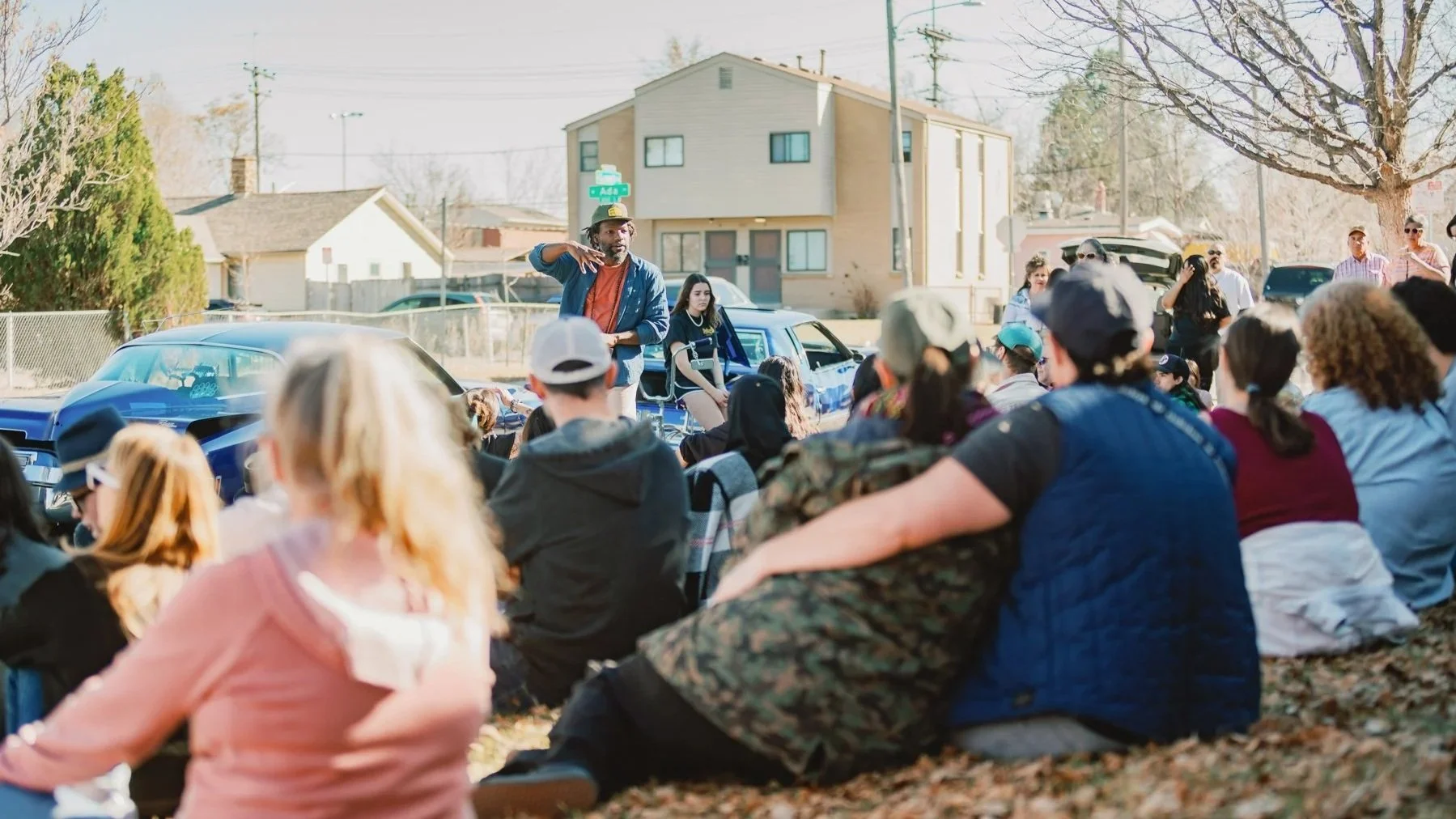
Photo Credit @Warm Cookies of the Revolution
That ethos shapes how Warm Cookies partners with local community organizations. Weissman says groups often come to them when they’ve hit a wall—when traditional outreach methods aren’t working, or when they want to reach beyond the “usual suspects.” Warm Cookies, he says, offers true partnership, not just creative packaging. They dig deep, work together with those in the community to understand the problem and combine forces to bring solutions forward.
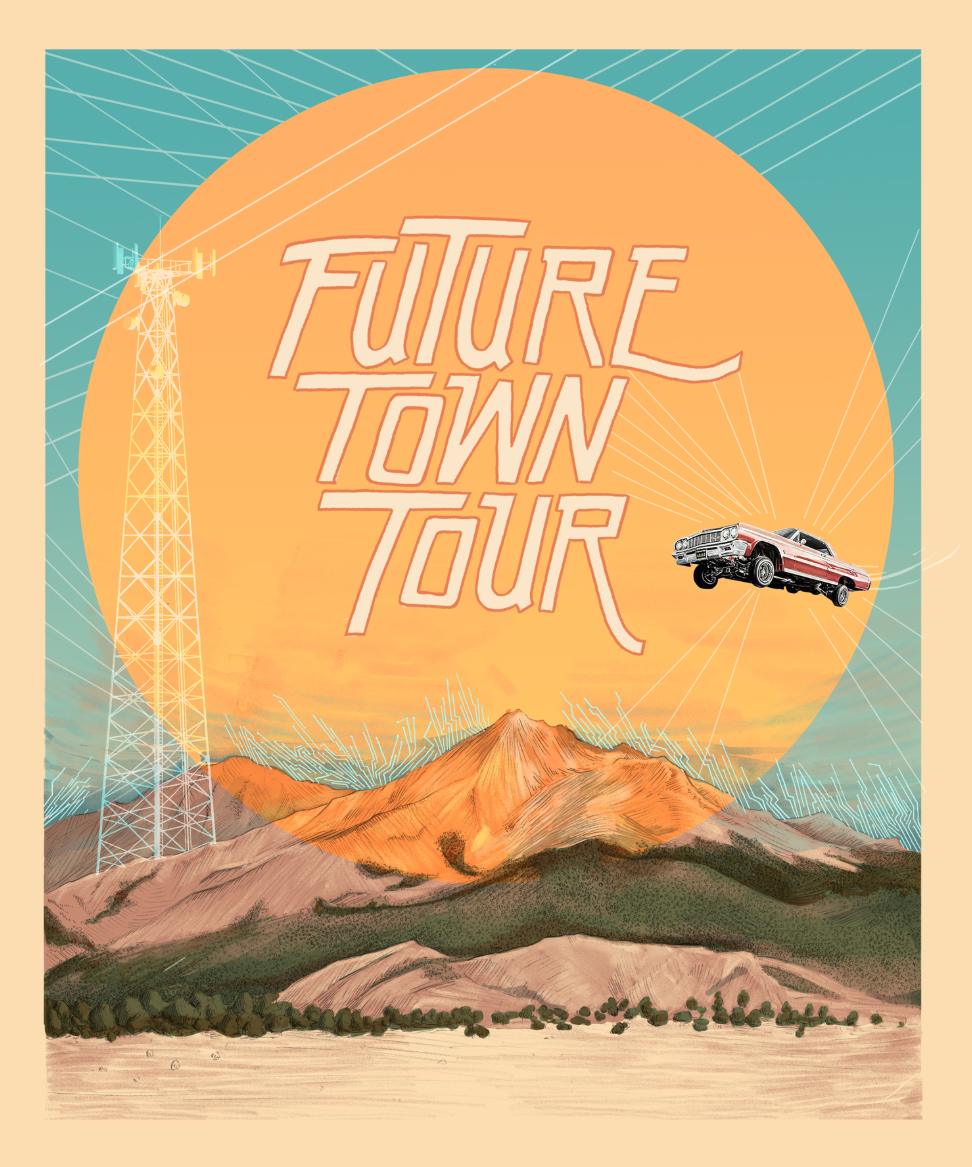
One example comes from Lake County Build a Generation in Leadville, Colorado. The organization plays a critical role in providing services in a rural community—but recognized they weren’t reaching everyone they needed to. Through the Future Town initiative, Warm Cookies worked alongside them to reimagine how they showed up, weaving creativity, culture and shared experiences into their work. Over time, the organization didn’t just host new kinds of engagement—it took ownership of them, adapting and sustaining the approach.
“That’s when it works,” says Molina. “When the community takes it and makes it their own.”
Ownership Changes Everything
If creativity draws people in, ownership keeps them there.
Within their Creative Day of Service program, “You’re not just helping,” Molina explains. “You’re investing in something that belongs to you.”
Warm Cookies’ philosophy of “voting every day” reframes civic power as something far broader than elections. It’s about the decisions that shape neighborhoods: parks, schools, water, transportation and safety. It’s about recognizing that communities look the way they do because of countless choices made over time—not a single vote. When you own those communities, really own them, it’s impossible to disengage. When you own it, you show up, speak up—over and over again.
Weissman tells the story of Rosa, a mother who learned that if she lived just one mile east, her children would statistically live twelve years longer due to health outcomes. Instead of moving, she chose to stay and to push for a healthier community—not just for her children. Weissman says, “she understood she was doing it for all of us.”
Another community member, Evon Lopez, has distributed hundreds of copies of Warm Cookies’ Vote Every Day book throughout her neighborhood, believing deeply that people need to see themselves as civic actors, with real power. Weissman says, “She was going around in her neighborhood and passing them out. She's passed out probably 400, maybe even 500 books.”
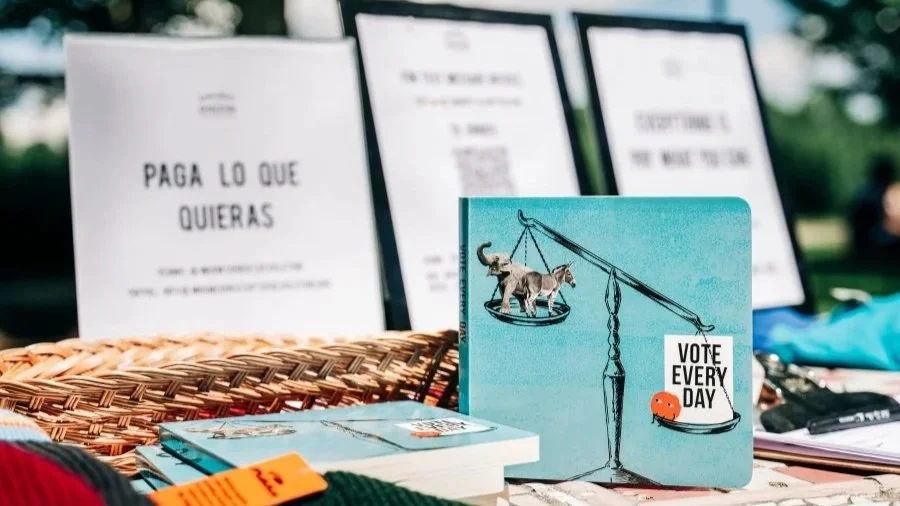
And Weissman says, Diane Medina, known as the unofficial “mayor” of La Raza Park in Denver, has spent decades calling the city, advocating for her park, and shaping it detail by detail—because she saw it as hers.
“It's that switch flip in your mind,” says Weissman. “Once you get that anything is possible. Once you feel ownership, you don’t unlearn it.”
Molina sees this same shift in programs like Creative Day of Service, which remixes traditional volunteerism into something rooted in pride, culture and joy. In Monte Vista, Colorado, what began as a single event has become an annual tradition—one that builds community spaces meant to last for generations.
“We're creating new rituals that invite everybody in,” says Molina.
The Relentless Power of Joy
Joy is not an afterthought at Warm Cookies—it’s infrastructure.
Both leaders are clear-eyed about the challenges of civic work. Anger can ignite action, but it can’t sustain it. Burnout, cynicism and disengagement are real risks in long-term change work.
“Being fully human is a hell of a way to take power back,” says Weissman. “Joy is how we stay human while we do this. It’s how you don’t hand your power over to despair.”
Molina calls it “relentless optimism”—a gritty, practiced choice to celebrate small wins and keep going. In their work, joy becomes a form of resistance, resilience, and renewal.

Photo Credit @Warm Cookies of the Revolution
“I practice relentless optimism, and it's not an easy thing. It's a really gritty practice,” says Molina. “Joy is a form of resilience and resistance. You got to celebrate along the way, and you got to have some fun in order to get up and do it again the next day.”
Molina continues, “A lot of times we're missing joy in that part of the cycle. Warm Cookies is here to bring that back. We know that creativity is power, culture is power and joy is part of all of that.”
Growing Without Losing the Soul
As interest in Warm Cookies spreads beyond Colorado, Weissman and Molina are being intentional about growth because what they’re building needs to hold. Just as they’ve seen in towns across Colorado, real connection and collective power takes time, relationships and their one-of-a-kind joyful approach.
They’re not building franchises. They’re building recipes—sharing tools, frameworks and creative models that communities can adapt themselves. A forthcoming “cookbook” will include both literal cookie recipes and practical guides for civic programs, paired with an online platform for peer learning. First recipes should be ready by this fall.
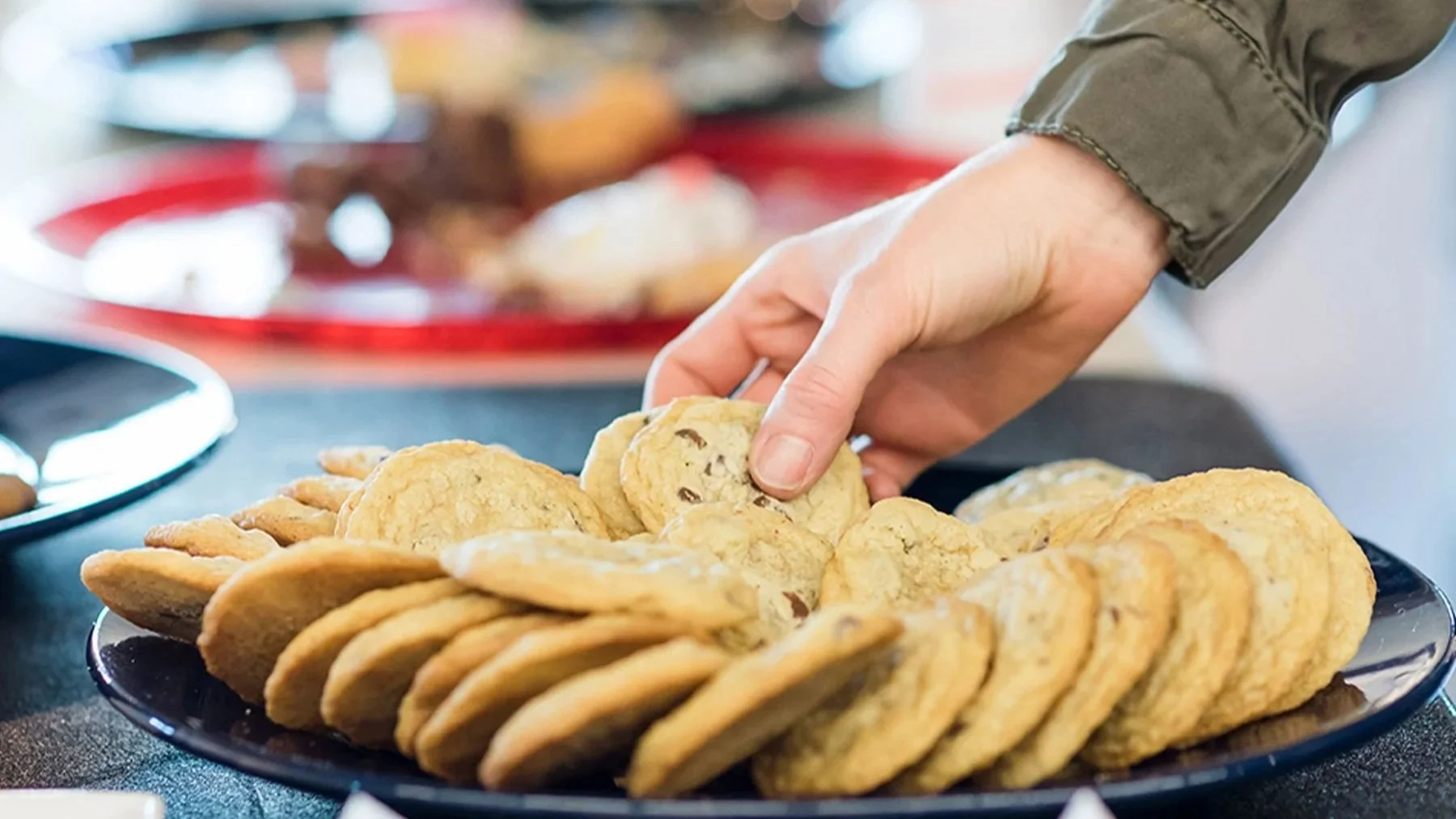
Photo Credit @Warm Cookies of the Revolution
While their next steps are intentional, their vision is big and stretches far beyond state lines—Future Towns across rural America, civic house parties in suburbs, civic health clubs embedded in everyday spaces—but always returns to the same core belief: Civic action works best when it feels like it belongs to the people living it.
As Weissman puts it, “Once people realize they own their community—anything becomes possible.”
And that, for Warm Cookies of the Revolution, is what winning really looks like.
We’re in a defining moment—a moment where we can choose to be overwhelmed, disconnected and discouraged, or where we can choose to be positive, embrace change and lift up the work of others seeking a better future together. We’re proud to support the work of the people and organizations out changing this world for the better—for all of us. Some may be small, some large. All are mighty. Each month, we highlight one of our Mighty Partners and we encourage you to get to know them, support them, and share their work with your friends, families and colleagues. Let’s get to work.