Colorado Comes Together to Lead the Fight to Protect Clean Water
For many, water feels deceptively simple and accessible. When all systems are working well, it pours from kitchen taps, fills irrigation ditches, rushes through rivers that anchor communities and economies alike. But in Colorado water is anything but simple. Its sources are fragile. Its protections are political. Demands are great. And in a rapidly changing climate, the outdated systems that sustain it are under unprecedented pressure.
Colorado—along with much of the American Southwest—is experiencing the worst drought in at least 1,200 years. Climate change has intensified heat and evaporation, while population growth and increased consumption continue to strain already limited water supplies. Factor in how Colorado is also a headwaters state—delivering water down the Colorado, South Platte, Arkansas, and Rio Grande rivers to meet the needs of more than nine states—some of our most productive agriculture, wildlife, and economic drivers rely on Colorado for their own water security.
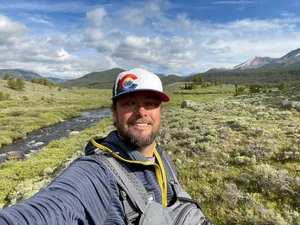
For Josh Kuhn, Advocacy Director at Conservation Colorado, the reality that water in Colorado is lifeblood, is both personal and professional. And like many of our Mighty Partners in the state, Kuhn is committed to ensuring that Colorado leads in demonstrating how states can steward clean, accessible water for the future.
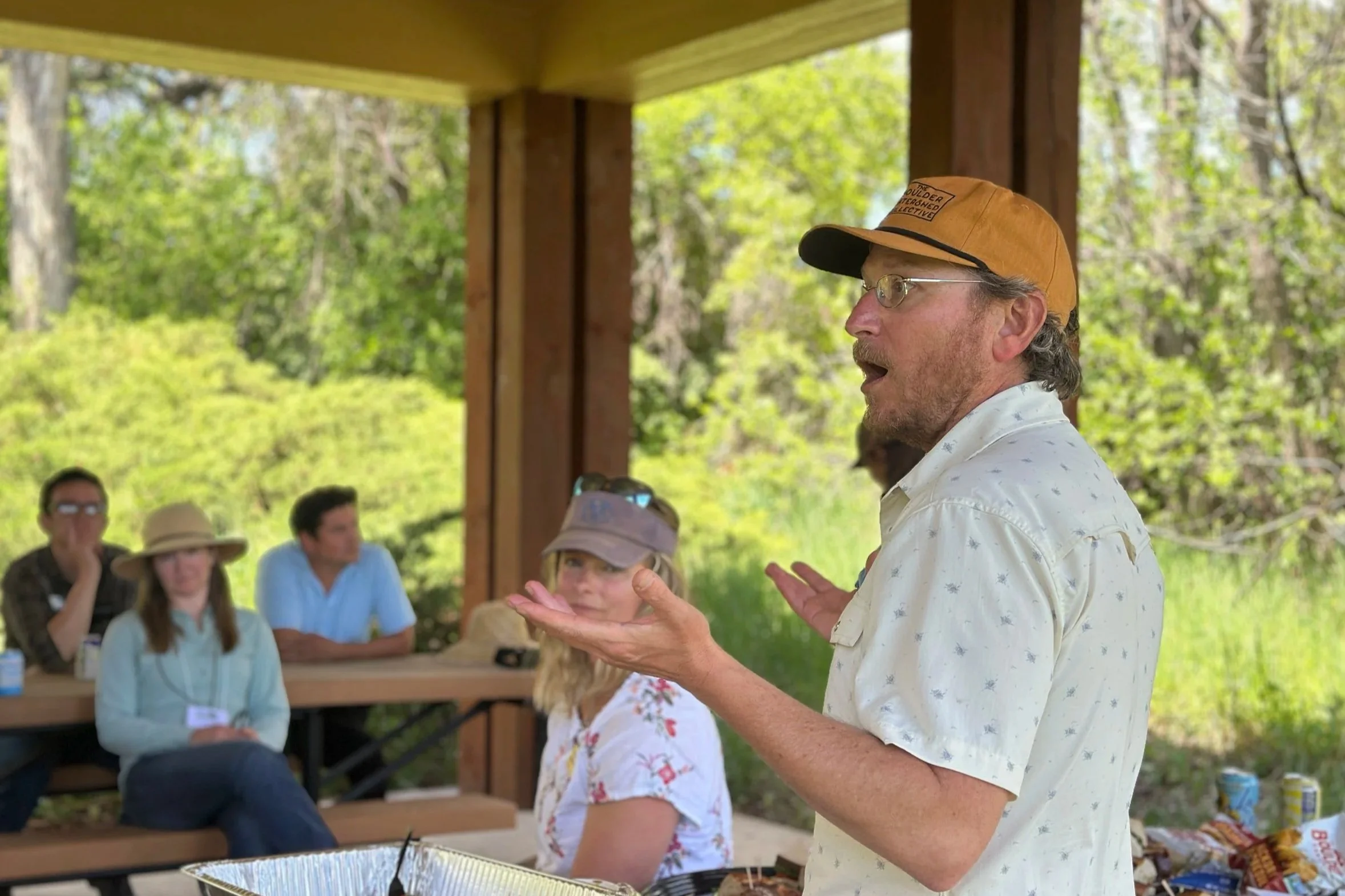
Photo Credit @Josh Kuhn
“I wouldn’t be who I am without access to public lands and waters,” Kuhn says. “Those places don’t protect themselves. Generations of leaders before us had the foresight to put policies in place—and now it’s our responsibility to continue that work.”
That conviction has guided Conservation Colorado’s leadership on one of the most consequential environmental efforts in the state today: the Protect Colorado Waters campaign.
Kuhn has spent more than a decade at Conservation Colorado, bringing together his background in environmental education with a deep commitment to advocacy. It was the desire for tangible impact that drew him toward policy work.
“In advocacy, there’s clarity,” he says. “The law passed—or it didn’t. And for me, protecting the environment is fundamentally about equity. Not everyone has equal access to clean air and water, and that’s not right.”
A Perfect Storm for Colorado’s Waters
In 2023, a major legal shift upended decades of federal water protection for waterways across the country. The U.S. Supreme Court’s Sackett v. EPA decision essentially gutted the scope of the Clean Water Act, stripping protections from millions of acres of wetlands and thousands of miles of streams nationwide.
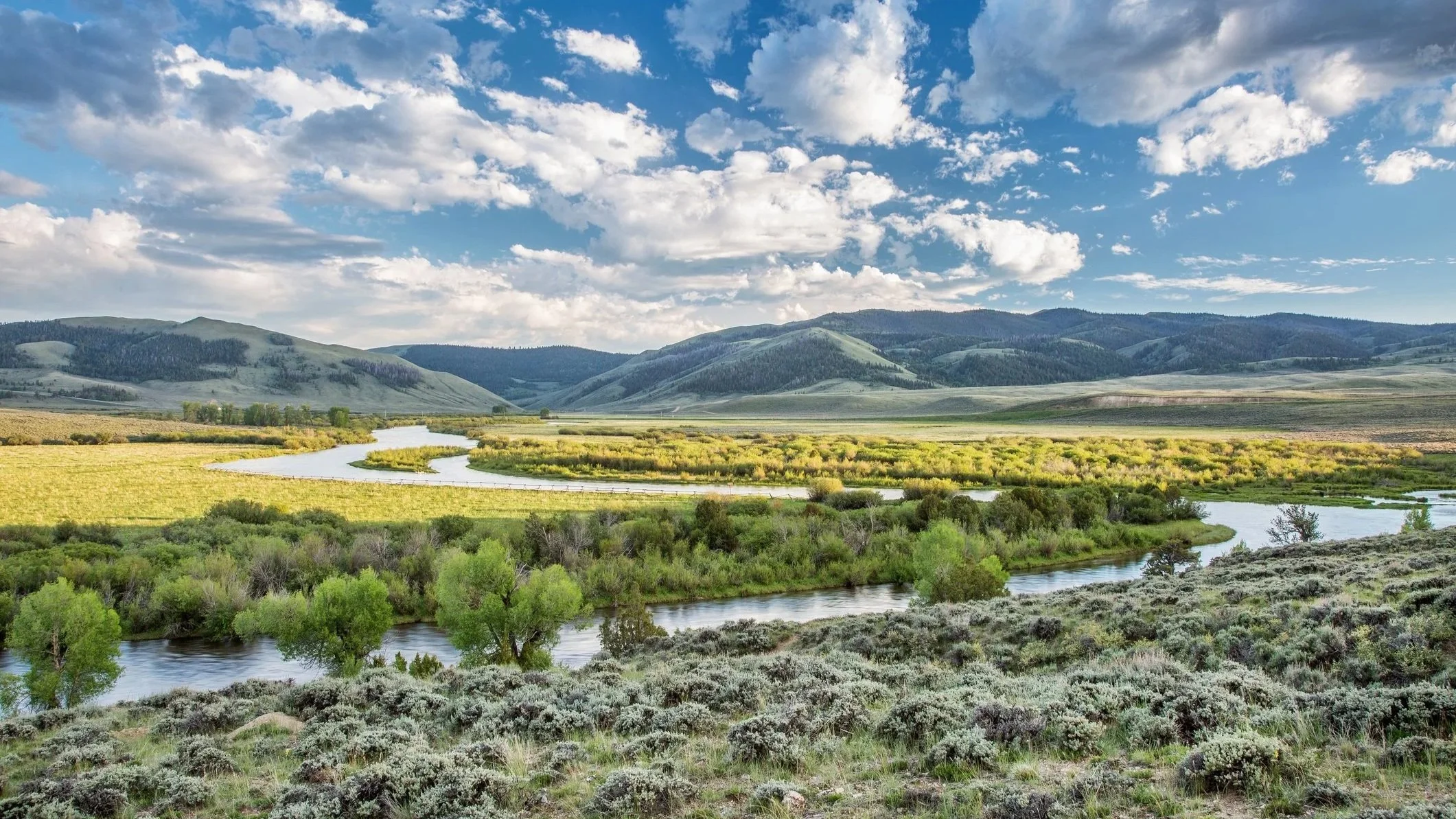
In Colorado alone, up to two-thirds of wetlands and streams were suddenly left vulnerable to pollution—further jeopardizing communities downstream, from Texas to California, that rely on clean water from our headwaters.
“Colorado has already lost a staggering amount of wetlands since becoming a state in 1876,” Kuhn says. “When those federal protections were removed, the urgency couldn’t have been clearer.”
Wetlands and headwater streams fed by snow melt—the very places most impacted by the ruling—are the main sources of Colorado’s water supply. They are also ecological powerhouses, providing wildlife habitat, mitigating floods, reducing severity of wildfires, filtering pollution and sustaining river flows during dry months.
Without protections, activities like mining, construction, utility development and infrastructure maintenance could occur at the source of the state’s water—with little or no environmental review.
“That’s not something we can afford,” Kuhn says plainly. “You can’t pollute water at the source and expect it to be clean downstream.”
Building a State-Level Solution
Long before the Sackett decision came down, Conservation Colorado, along with a coalition of our community partners, had been working with industry and state agencies to improve resilience of Colorado’s river systems to climate change, plan for sustained and more severe droughts, and enable every individual in the state to have a voice and the opportunity to advocate for sustainable conservation-based solutions in service to securing our state’s water future.
In 2023, the Water for Colorado Coalition celebrated the passage of SB270 which created a pathway to encourage projects that restore the environmental health of natural stream systems. Degraded streams are unfortunately common across Western states, lowering groundwater tables, decreasing summer base flows, increasing sedimentation and degrading water quality, and adding to the loss of riparian and wetland habitat for wildlife and forage for livestock. SB270 was a dynamic, multi-year effort led by Colorado’s Department of Natural Resources and water stakeholders across the state to establish this legislative “fix” aimed at providing greater certainty for anyone engaged in stream and wetland restoration efforts around whether or not acquisition of a water right might be needed for their project.
The success of this collaboration proved critical when federal protections for streams and wetlands fell away under the Sackett ruling that same year. And when Colorado’s Governor Jared Polis convened a task force to explore state-level responses to the rollback of the US Clean Water Act, Conservation Colorado took a seat at the table alongside representatives from agriculture, mining, water providers, local governments and industry.
“These discussions laid the foundation,” Kuhn says. “When the ruling happened, we were ready.”
Conservation Colorado helped convene a broad coalition - including several of our Mighty Partners - to push for legislation that would restore lost protections at the state level. The goal was clear: safeguard Colorado’s waters while providing clarity, certainty and reasonable exemptions for restoration projects, and regulated communities.
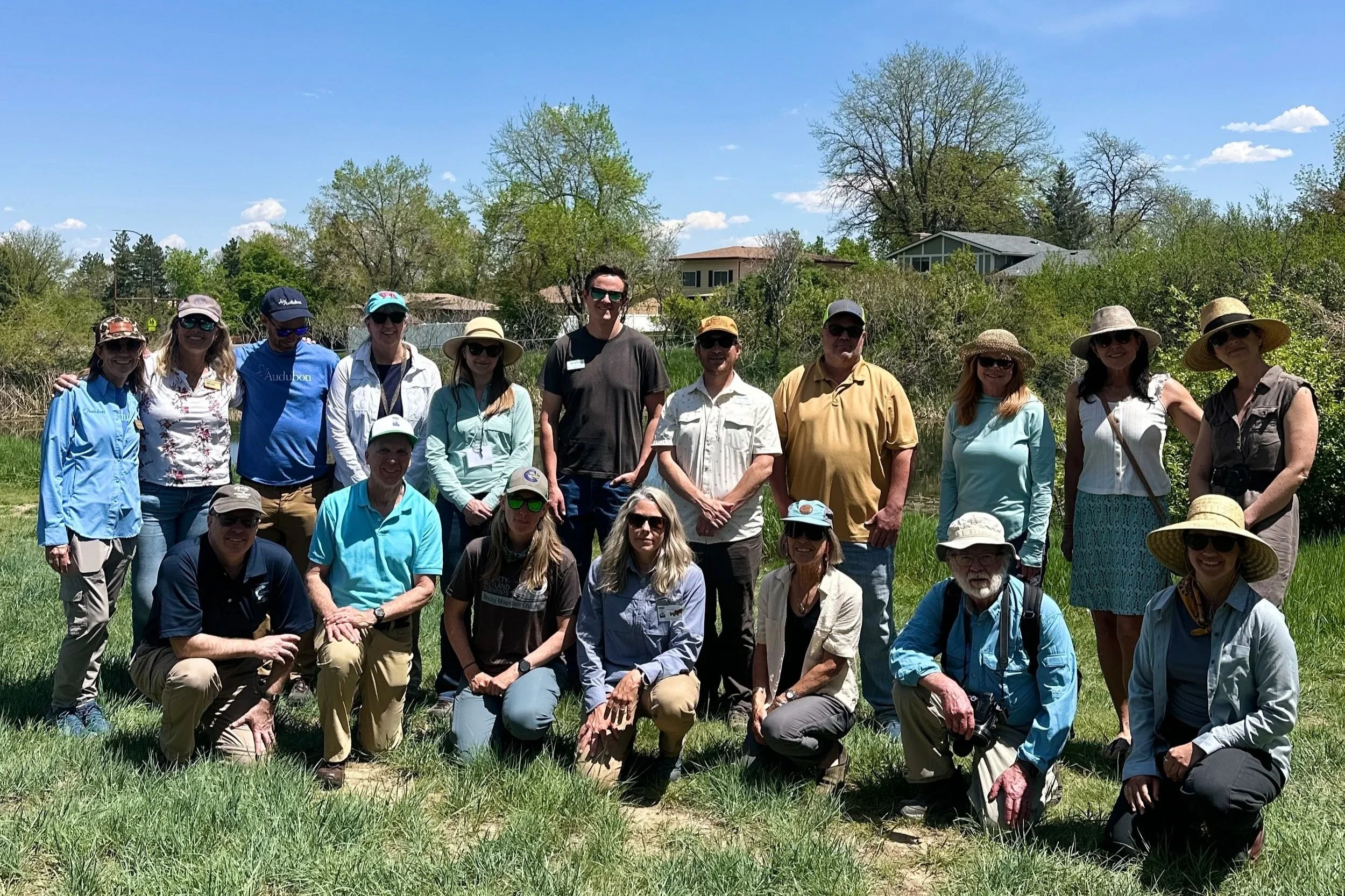
Photo credit @Josh Kuhn
In 2024, with strong legislative champions—including the Speaker of the House and committee chairs in both chambers—the coalition introduced landmark legislation to address the uncertainty created by the Sackett decision, creating a state regulatory permitting program and setting clear definitions and lines of jurisdiction that protect all state waters.
It was not an easy path.
Industry groups advanced a competing bill, forcing legislators to weigh two vastly different visions for Colorado’s water future. Conservation Colorado and its partners worked tirelessly to educate lawmakers, build public support and defend the stronger policy option.
By the time House Bill 24-1379, crossed the finish line, it had absorbed nearly 40 amendments, significant compromises that reflected months of negotiation, and significant bipartisan support .
“We had to pass it in 2024,” Kuhn says. “There was no time to wait for another session. The urgency was real.”
When the bill passed, which directed the state to fill gaps left by the Sackett decision, Colorado became the first state in the nation to restore protections for wetlands and streams put at risk by the Supreme Court’s decision.
“It’s something we’re incredibly proud of,” Kuhn says. “But passing the law was only the beginning.”
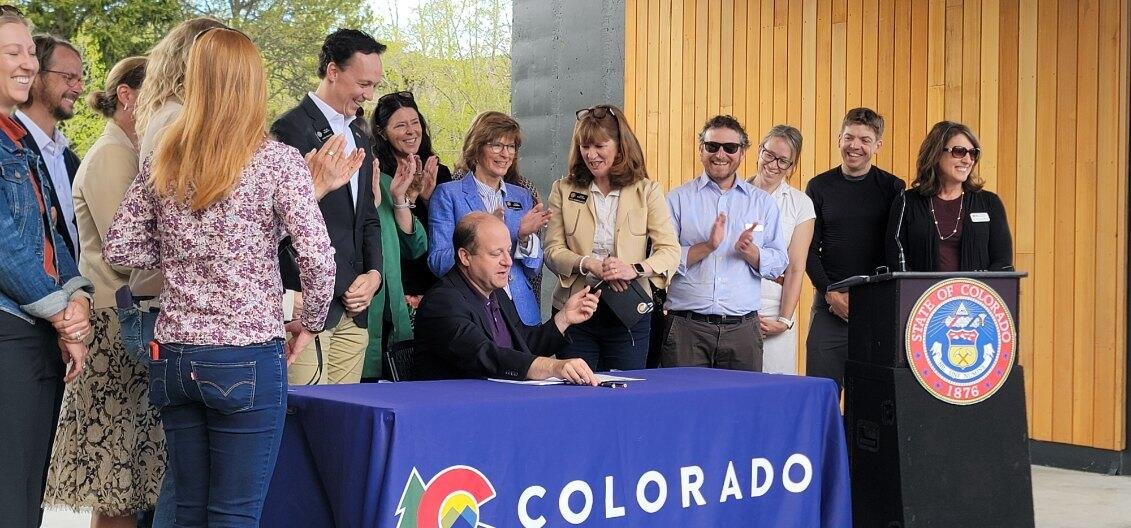
Photo credit @Conservation Colorado
Why Clean Water Matters to Every Coloradan
For those who don’t follow environmental policy, the stakes can feel abstract—until they’re not.
“Our water doesn’t come from the tap,” Kuhn reminds us. “It comes from forests, wetlands and mountain streams.”
Wetlands act like natural sponges, absorbing snowmelt and rain, reducing flood risk, and slowly releasing water throughout the year—helping maintain river flows during hot, dry summer months. More than 70 percent of Colorado’s wildlife species depend on these ecosystems, especially as climate change reshapes habitats.
They also play a critical role in wildfire resilience. Intact wetland systems can slow or reduce fire severity, protecting nearby communities and filtering pollutants that otherwise wash into rivers after fires burn through a watershed.
And the benefits mean business, too. Outdoor recreation—fueled by healthy rivers and streams—contributes more than $9 billion annually to Colorado’s economy, particularly in rural communities.
“This isn’t just about conservationists or policy wonks,” Kuhn says. “It affects every Coloradan—and the 40 million people who live downstream of us.”
Rulemaking and Public Voice
With the legislation passed, the next step was turning attention to the forthcoming rulemaking process set for December, 2025. It’s through this process where the details of implementing House Bill 24-1379 would be decided. Public input—especially from everyday Coloradans—played a critical role in eventually passing strong regulations.
“At Conservation Colorado, we work at the intersection of policy and people,” Kuhn says. “It’s essential that decision-makers hear from the public, not just from industry.”
Kuhn continued, “The regulated community has a lot of power. There are far more industry voices in these rooms than conservation voices. That makes public engagement even more important.”
Through public forums, webinars, one-on-one outreach and coalition organizing, Conservation Colorado and coalition partners worked tirelessly to elevate community voices ahead of the December 2025 rulemaking hearings. On December 8, the Colorado Water Quality Control Commission unanimously approved Regulation 87 as part of implementing House Bill 24-1379.
The new rules cover how construction, agriculture, mining and infrastructure projects must acquire a permit before disturbing state waters, requiring avoidance, minimization and mitigation of harm before work proceeds. The regulations create clear, predictable permit types for larger and smaller projects alike and aim to balance environmental protection with certainty for landowners and businesses.
Taken together, these actions position Colorado as a leader among states in establishing stronger, state-level clean water protections amid shifting federal policy. Colorado is the first state to build a comprehensive state-level permit program for waters and wetlands after the Supreme Court narrowed federal authority—securing more local control over clean water protections.
Make no mistake, this is a huge win for conservation and our continued access to clean water.
And as of December 8, Kuhn shared: “Colorado has taken the necessary actions to restore protections to wetlands and streams left vulnerable from the radical U.S. Supreme Court's Sackett decision. In the midst of the worst prolonged drought in over 1,200 years, Colorado has set a model for other states to follow. This is important progress for Colorado’s environment and economy. Due to the hard work of the Protect Colorado Waters Coalition, we were able to influence the state legislature, the Colorado Department of Public Health and Environment to ensure Colorado’s waters are better protected.”
A Collective Effort
This state action didn’t happen in a vacuum. Recent proposals from the US Environmental Protection Agency, which oversees federal Clean Water Act implementation and approves state programs, could further reduce federal water protections, including efforts to limit state and Tribal review power for energy and infrastructure projects under Section 401 of the Clean Water Act. Colorado’s rulemaking partly responds to these broader federal trends, emphasizing state stewardship of water quality in the face of shrinking federal oversight.
“I’m excited to see all these pieces finally coming together,” Kuhn says. “If we do this right, Colorado will have a system that protects our waters while allowing responsible projects to move forward.”
Kuhn is quick to emphasize that the campaign’s success is the result of collaboration—among partners, legislators, community members and supporters. He also points to the importance of philanthropic investment.
“Support from foundations made it possible for us to educate the public, convene stakeholders and even bring decision-makers into the field to see what’s at stake,” he says. “That kind of support is essential.”
As Colorado charts its water future amid climate uncertainty, one thing is clear: protecting clean water requires vigilance, partnership and a willingness to lead.
“Our wetlands and streams have intrinsic value,” Kuhn says. “They’re the source of our water, our wildlife, our way of life. Protecting them is about protecting all of us.”
###
We’re in a defining moment—a moment where we can choose to be overwhelmed, disconnected and discouraged, or where we can choose to be positive, embrace change and lift up the work of others seeking a better future together. We’re proud to support the work of the people and organizations out changing this world for the better—for all of us. Some may be small, some large. All are mighty. Each month, we’ll be highlighting one of our Mighty Partners and we encourage you to get to know them, support them, and share their work with your friends, families and colleagues. Let’s get to work.