
It’s a tough year to be a farmer. Snowpack in the West is at record lows and war is raising fuel and fertilizer prices. Experimenting with new climate-friendly practices may feel even more risky than usual. But where others may see only crisis, Renata Brillinger sees hope. As executive director of the California Climate and Agriculture Network (CalCAN), she and CalCAN have been working for a healthier and more resilient food and farming system for the past 17 years. And in that time, she’s learned what really works to help farmers where they are—and invest in the vision of where they want to go.
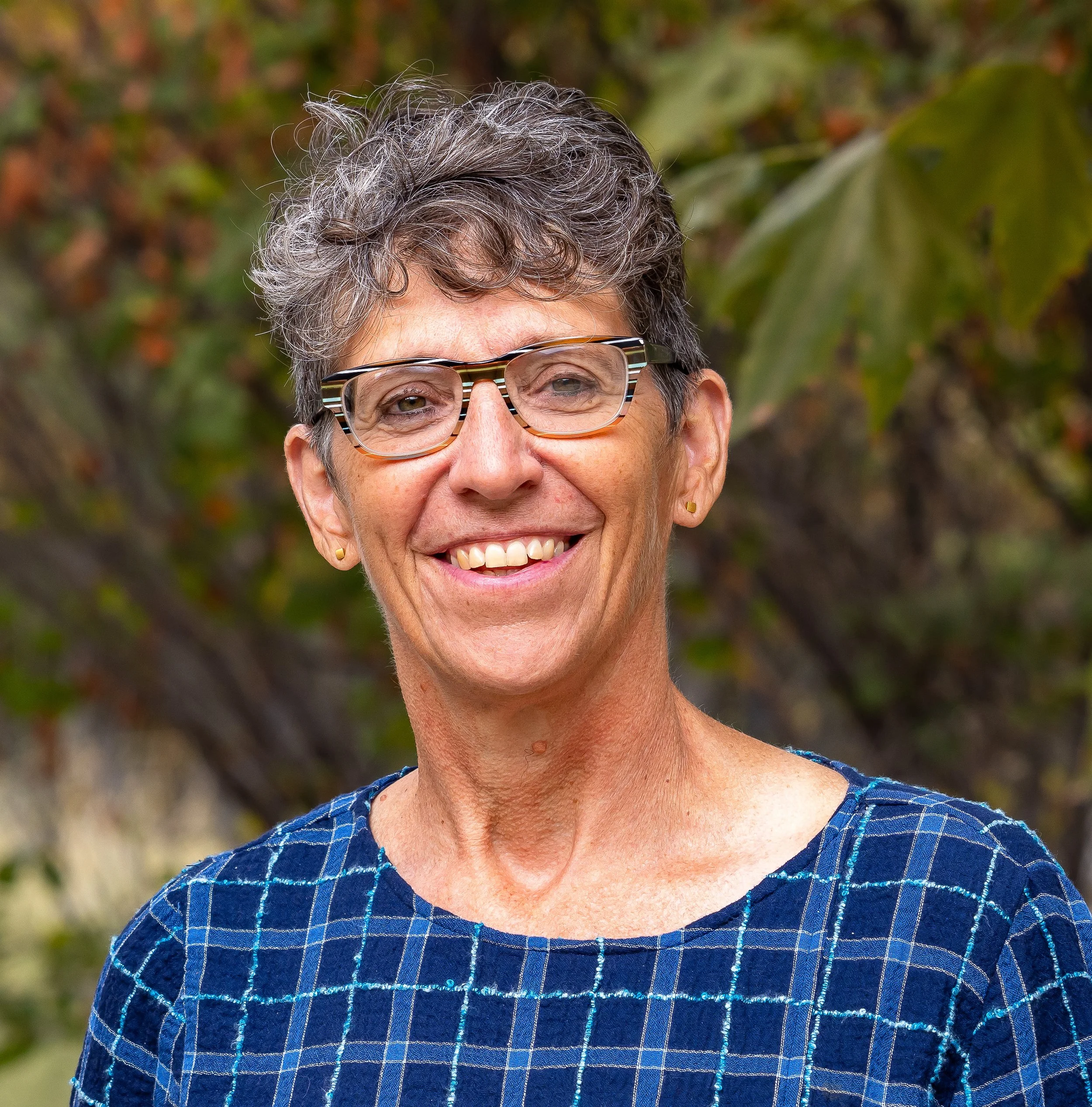
Shifting farming practices to include conservation tactics can feel like a gamble, even in the best of times. So CalCAN is working to make it easier. A statewide network of farmers, ranchers, agricultural experts, researchers and non-profit partners, CalCAN advocates for state and federal financial incentives and on-farm resources to farmers implementing sustainable and organic practices. Brillinger says she’s witnessed true progress over the years—and that sometimes crises are the moments when innovation arises.
We chatted with Brillinger about how CalCAN uses a targeted and timely approach for maximum impact on policy, how she finds a surprising amount of common ground in politically divisive times—and why she’s still hopeful when things are looking grim.
“Nature-based solutions” and ag are not mutually exclusive
Working lands have often been excluded from traditional conversations about conservation efforts, but agriculture is a key player when it comes to climate change. Which is a big deal, considering that 40% of California’s land is under some form of agricultural production. In fact, multiple programs CalCAN advocates for lead to reductions in on-farm greenhouse gases and serve as a model in other states.
“All of these programs are among the top 10 to 15 of California's most cost-effective climate programs,” Brillinger says. “For every ton of carbon dioxide equivalent reduced, these are some of the cheapest ways to achieve this. Not to mention all the co-benefits that come along with those investments such as cleaner air and water, healthier rural communities, and increased farm profitability.”
She rolls off three examples of programs that bridge the ag-conservation gap: the Healthy Soils Program, the State Water Efficiency and Enhancement Program (SWEEP) and Sustainable Agriculture Lands Conservation Program (SALCP). Together, they address all three major greenhouse gases in agriculture as well as water conservation and farmland protection.
“The legislature and the governor talk about agriculture as a component of nature-based solutions, so that’s progress,” Brilinger says.
Bridging divides with shared values
Finding the center of the agriculture-conservation Venn diagram is what creates common ground in a politically divided landscape, Brillinger points out. It’s where change can actually happen. And that’s where CalCAN focuses their efforts.
“I think if you ask anybody, they would say, yeah, I care about health in my community,” she says. “I care about having clean drinking water. I care about breathing air that isn't polluted. I want my kids to have access to open spaces. I want them to be able to see critters on the landscape. I want good food for me and my family.”
Connecting on those aspects is the key to aligning groups that have traditionally been adversarial. The success of the Alternative Manure Management Program (AMMP), which CalCAN advocated for, is a prime example. The program gives grants to dairy producers to change their manure management practices in a way that benefits both the environment and the dairy industry. This approach is supported by both agriculture and environmental justice advocates..
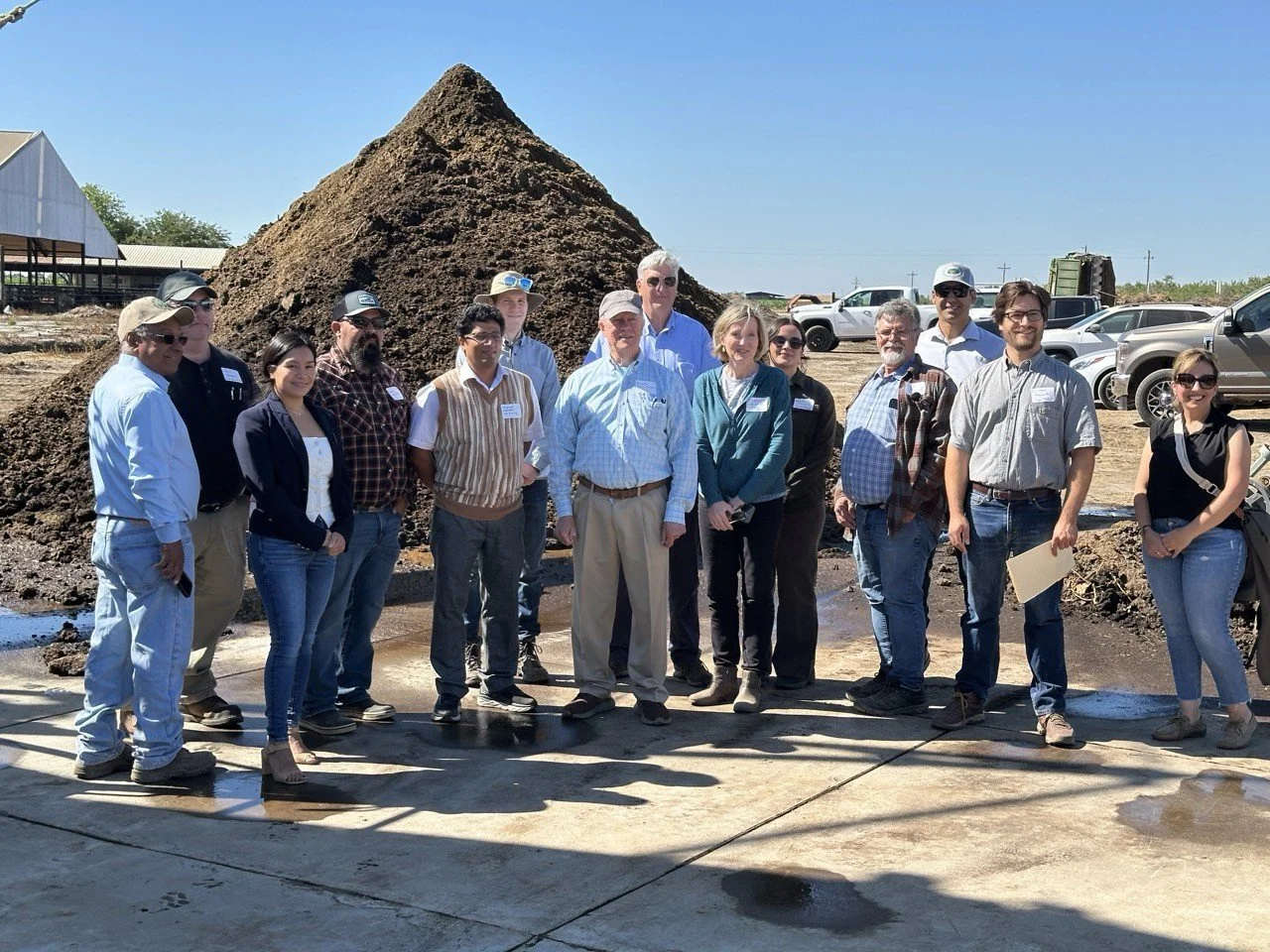
CalCAN dairy methane tour for state legislators, photo credit @CalCAN
“Dairy industry and environmental interests are often not very aligned at the policy level, but when you focus on the outcomes, they can both see the value of this approach,” Brillinger says. “That alignment helps make the case for more funding for the program because there's just not enough to serve the demand. There are two or three times more farmers that want to apply than there is money.”
And that’s a great problem to have when it comes to collective action on climate change. So how do we better resource farmers and communities stepping up to do their part?
Targeted and timely action for policy change
AMMP is an encouraging success story, but it clearly points to the need for more funding for similar programs and supportive policy, especially as farmers stare down the barrel of a very difficult year.
“It's very risky to make changes, you know?” Brillinger says. ”It’s scary, especially if you're a farmer, if you're in an economically constrained environment, which they are. You have to remember that farmers exist in a marketplace, right? So they don't get to set the prices of their products. They're at the mercy of their buyers, and they're in competition. So making a change on the farm that might have negative financial consequences isn’t just a risk, it could mean they're out of business.”
Brillinger continues, “So that risk, that transition—that's where policy and public funding comes in.”
It’s imperative right now for federal and state governments to take action in the interest of the common good, Brillinger says. CalCAN is using a targeted, authentic and timely approach to push for change. For example, they’re focusing on two regulatory programs currently being reviewed which, if implemented well could encourage the use of on-farm strategies that benefit both farmers and the environment.
“We're trying to advance some powerful solutions, influence the way the new rules are written, and work with producers to ease the barriers to complying with those rules,” Brillinger says. “And then also, trying to encourage multiple regulatory agencies to align so that we have the best possible outcomes.”
CalCAN picks the policies they target strategically and watches for the right timing, looking for multi-benefit solutions where a lot of people could be happy about the outcome.
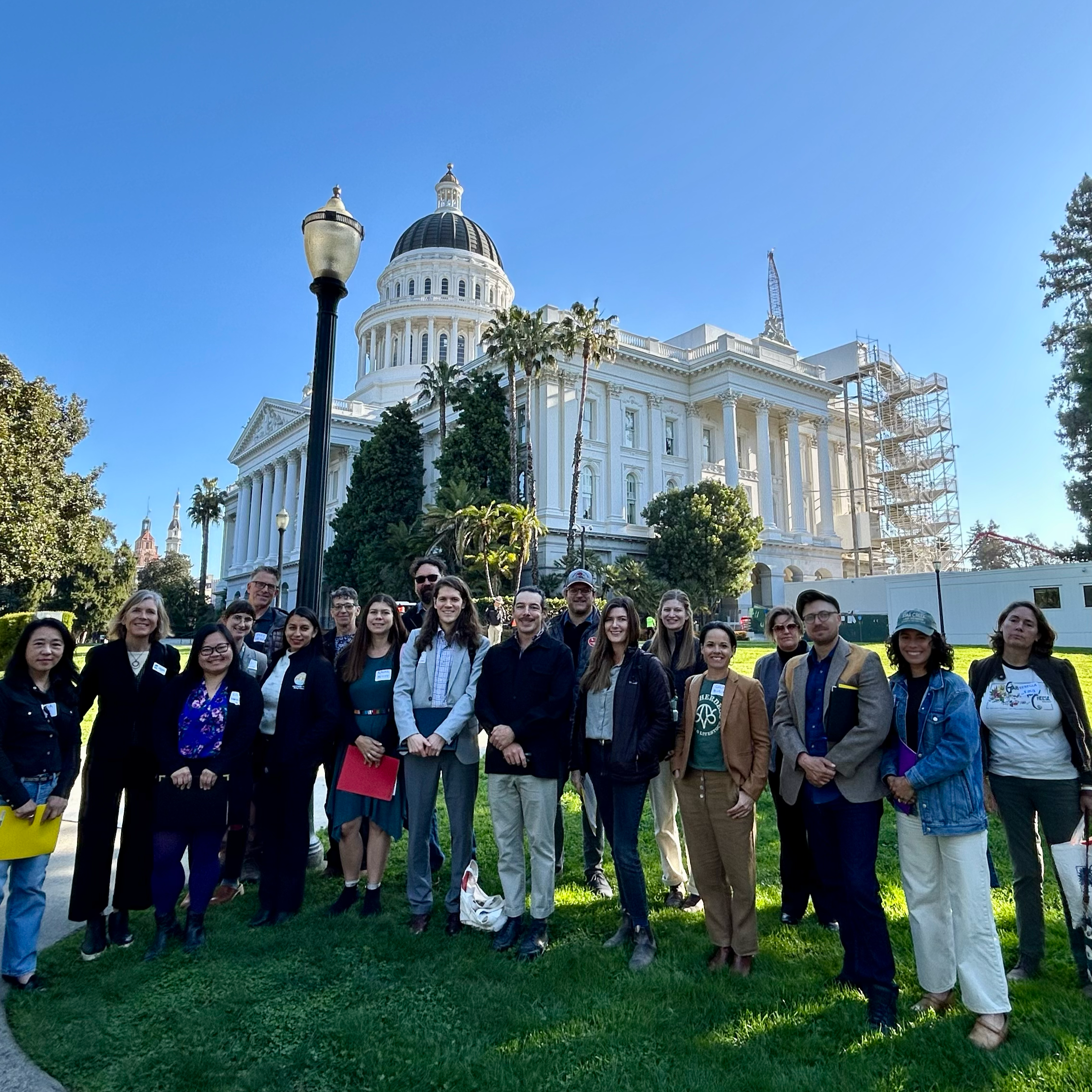
CalCAN partners go to Sacramento to educate legislators, photo credit @CalCAN
“And then, we try to bring in a lot of diverse voices,” Brillinger says. “We want to make sure that whatever policies we're advocating for will work for them on the ground because there's no point if they won't adopt it or participate.”
It’s absolutely vital that the sentiment and ownership of the community is there to move policy. It doesn’t take too many people, she says. A legislator education day with a dozen or two farmers from around the state speaks volumes, as they are considered to be trustworthy spokespeople. Taking a day off from farm work to travel to the capital or the district office and share their real-life stories, passion and knowledge goes a long way. It’s authentic and powerful.
CalCAN also works to gather various interests to sign on to policy position letters, aiming to find the common ground where conventional agriculture and environmentalists agree on a policy, giving it a better chance of appealing to the final decision makers. And ultimately setting up these solutions to succeed for the long term.
The solutions are working—they just need support
All of these successful programs are evidence of the progress that’s possible when energy and resources are focused on finding common ground and solutions that work for everyone. But even as innovative farmers lead the way with new practices and technologies, individuals can’t make the kind of change at scale that’s needed to shift the tide. The federal government will need to step in when the marketplace won’t support them, Brillinger says. She points to the Inflation Reduction Act of 2022 as an example of what’s possible.
“It included $20 billion for the agriculture sector to deliver climate solutions,” she says. “It was monumental for its time, and it was still only a fraction of what we actually need, but at least it laid out some pretty interesting ideas. We didn't agree with all of them. It was a compromise. It always is.”
Looking forward, Brillinger has her eyes on the federal Agriculture Resilience Act, “It's got a lot of really, really transformative ideas in it, some of which were modeled here in California.”
In many ways, California has served as an incubator or laboratory for climate solutions. And the exciting thing is, Brillinger says, they’re working.
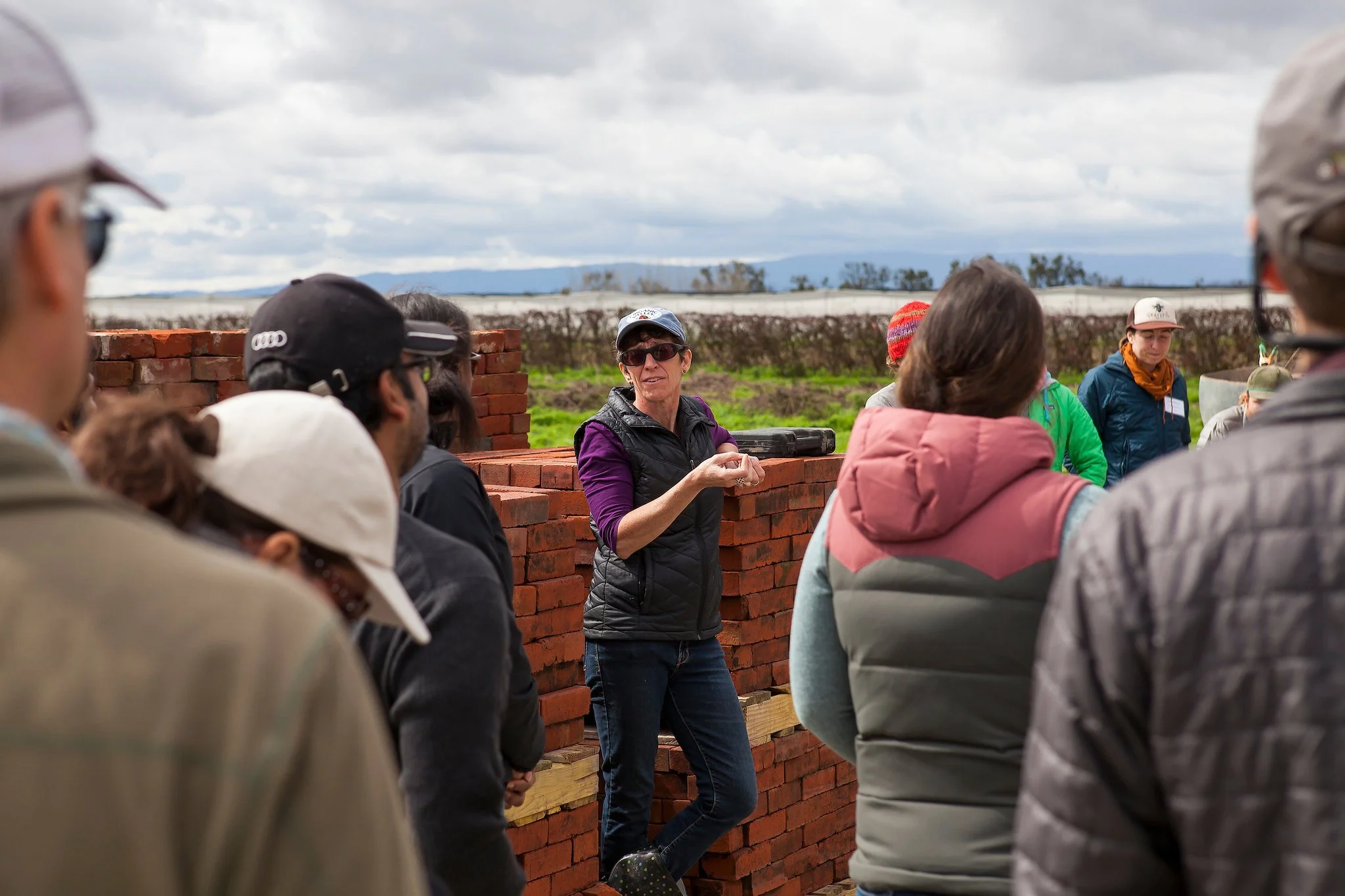
Renata leading a CalCAN farm tour, photo credit @CalCAN
Finding inspiration from success in other sectors
Brillinger says she keeps her faith in the policy levers that have worked in the past, even in other sectors. Political winds will blow, but the rise of the solar industry and electric vehicles, for example, shows the massive shifts that can happen across a marketplace.
“It's a combination of advocates winning the government investments to provide grants for farmers that de-risk their transition, and then for business to follow when there is a market for new products and technology the farmers need, bringing down the cost as adoption rates increase,” she says.
Looking forward to a hard year in agriculture, Brillinger reminds us that we’ve been through dark times before as a nation. She doesn’t like to invoke the difficulties of times like the Dust Bowl and Great Depression, but it’s impossible to look at them without seeing that they were also times of tremendous collective will and bold incentives programs and job creation programs.
“What happened during that period was the groundwork for much of what we've had in place ever since,” Brillinger says. “Eighty years of Farm Bill policy, and soil health incentives, and resource conservation districts, the Natural Resources Conservation Service. Those are some of the biggest environmental incentive programs we have.”
Billinger ends with, “Hopefully we can let history be our teacher. I guess my point is that we can get ourselves out of crises and we have before. I have to hope—and I believe—that we will again.”
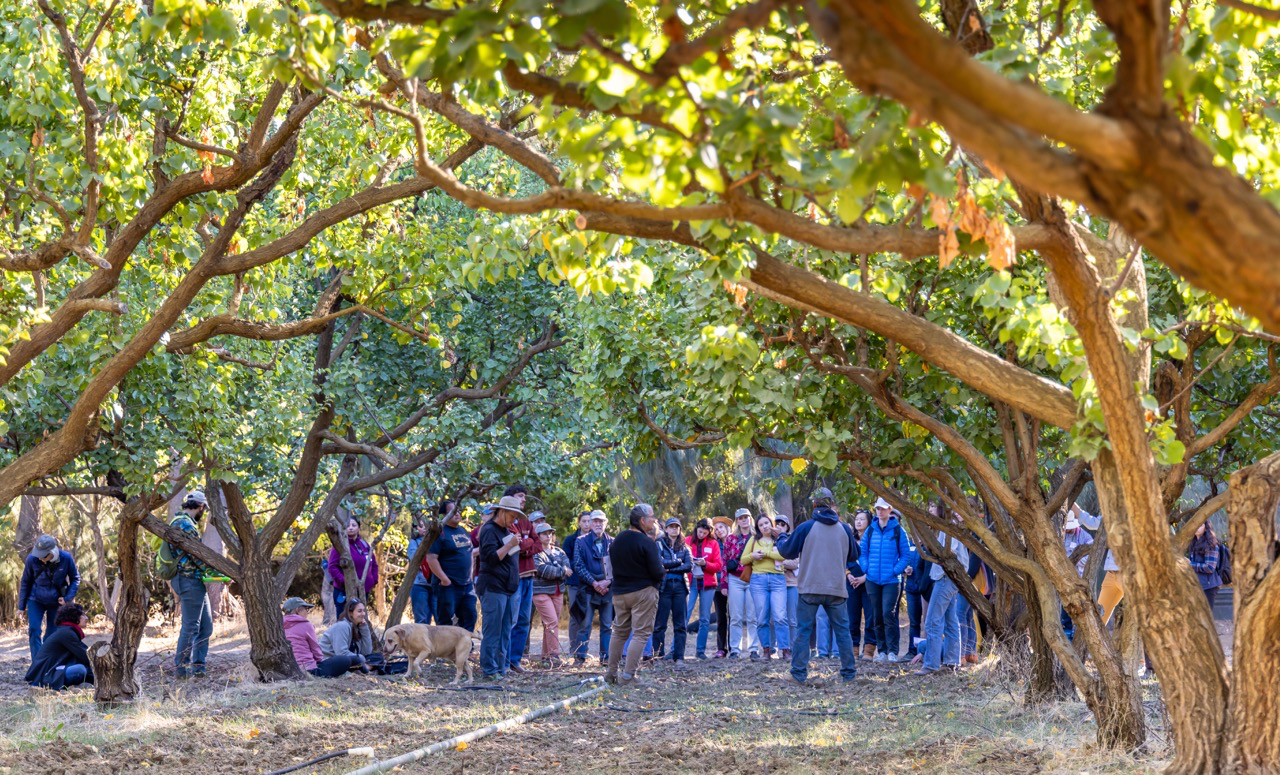
Farm tour at CalCAN conference, photo credit @CalCAN