
Many of Mighty Arrow’s partners are small, young organizations that are early in their journey, both in mission and in business structure. Part of our philanthropy practice is multi-year commitments in funding and long term relationships with our partners. I wanted to start this piece by expressing how proud we are to have been a funder of Kitchen Table Advisors for 10 years. They were one of the first grants we ever made as a foundation, and we have learned so much from them as we both matured in our practice together.
Since then, Kitchen Table Advisors (KTA) has grown exponentially and continues to plan for their next 10 years of impact. And who we are at Mighty Arrow has been forever shaped by its leaders, like Pei-Yee Woo, and in the early years Anthony Chang, as they taught us about power in relationships, honesty, and courage. It has been a blessing to watch KTA grow alongside the communities it serves. I’m delighted to share this recent conversation with Pei-Yee Woo, KTA’s Co-Executive Director with you.
Meet Pei-Yee Woo and Kitchen Table Advisors
At the most basic level, food equates to physical survival. But it’s also so much more.
“It’s a survival of our emotional and spiritual selves, as our food holds memories that connect us to our past, to our ancestors.” Woo says. That includes how it’s grown, how it’s prepared and served, and how it’s celebrated in community. “It's a really intimate and caring act to feed people.”
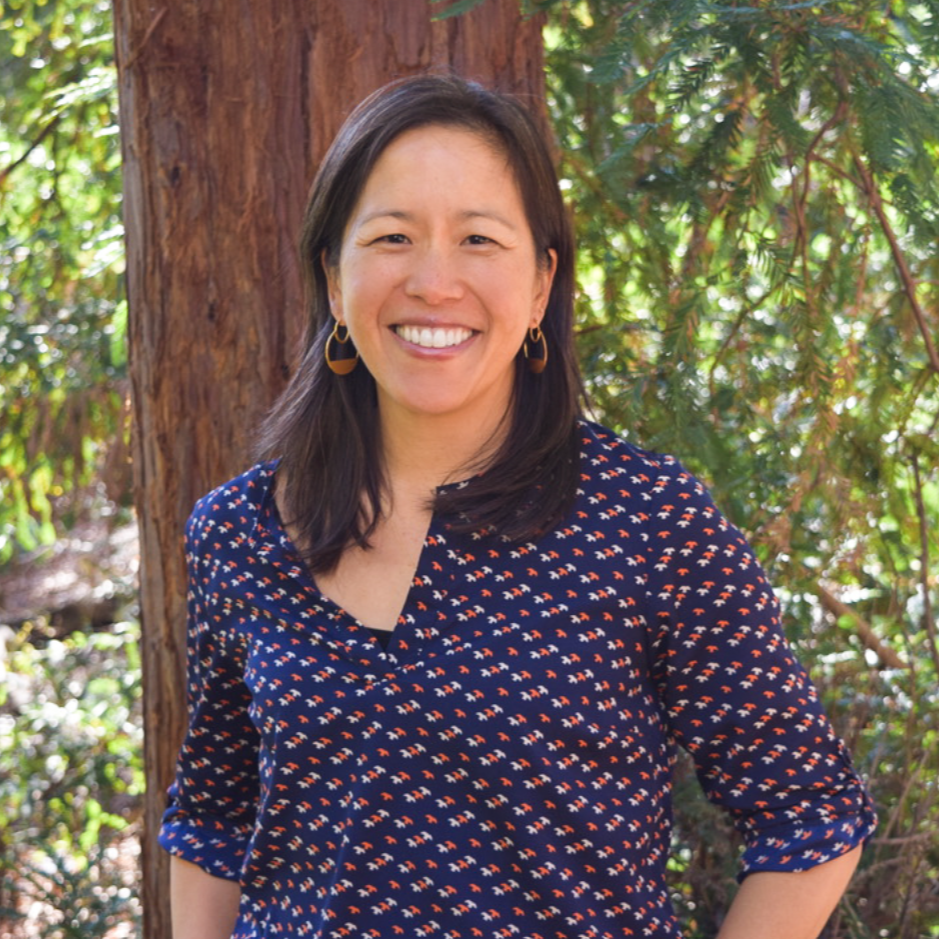
That’s part of why KTA is dedicated to shifting our food system. They envision a world where under-resourced owners of sustainable farms and ranches are thriving within equitable, community-based food systems. Since 2013, KTA has supported more than a hundred agricultural business owners as they steward thousands of acres across 17 California counties. They focus on two complementary programs: Their one-on-one bilingual business advising program teaches business fundamentals, equipping clients with skills for the marketplace. Their ecosystem building program increases equitable access to land, capital and markets through community-driven projects. They focus on several complementary programs: Their one-on-one bilingual business advising program teaches business fundamentals, creating personalized skill-building plans equipping clients with skills for the marketplace. Their ecosystem building program increases equitable access to land, capital and markets through community-driven projects. And their developing policy and advocacy program seeks to amplify producer voices while working hand-in-hand to create and move policies that support those communities.
“It's such a deeply caring and personal act to nurture the growth of a plant or to raise an animal in service of feeding and nourishing others,” Woo says. “Especially because our farmer and rancher clients are working in ways that are really about caring for the longevity of the land, too.”
Woo’s career path reflects this deep commitment to education, land stewardship and community care.
A foundation of service and education
Woo’s approach to leadership is rooted in her family story. Raised in the Bay Area by immigrant parents from Taiwan and Hong Kong, she grew up guided by her family’s dedication to education, principled entrepreneurship, and service. With a mother and sister who dedicated their careers to public school teaching, Woo learned early on that education and knowledge sharing are public goods—foundational tools that everyone deserves access to.
“Everyone deserves a really robust education to learn and thrive in,” Woo says. “It’s a core element of why I love what we do at KTA. The work is to remove the barriers for folks to be able to build thriving businesses—that the knowledge to be able to run a business that suits their needs shouldn't be blocked from them because of language or access or capacity. It's really about making sure people have the resources they need to be able to build the lives that they dream of.”
Though she originally studied art and art history with plans to enter museum education, a post-college detour into environmental education shifted Woo’s direction. Working outdoors at NatureBridge in the Marin Headlands, she discovered a passion for wild spaces and for connecting young people to the land. Woo grew from an educator into program management and development, learning firsthand how mission-driven organizations build financial resilience and long-term impact. After 10 years, Woo craved something new, which led her into food. She says, “I’ve always loved food.”
Woo’s journey to sustainable agriculture involved both field experience and firsthand entrepreneurship. As the founder and owner of her own dessert and pastry business in the Bay Area, Woo navigated the realities of running a small food enterprise—sourcing intentionally, managing narrow margins, and balancing business demands with family life. And at the same time, Woo connected with Pie Ranch, an organization dedicated to food education, regenerative agriculture and community collaborations.
“That's where I rounded out the rest of my nonprofit learnings,” Woo says. “I was cutting my teeth on the operations and people side at Pie Ranch. It was a really lovely journey to learn about land and sustainable agriculture, and also how it ties to how you feed people.”
These experiences gave her a clear view of the systemic barriers facing small food and agricultural entrepreneurs—and showed her what kind of support could make a lasting difference.
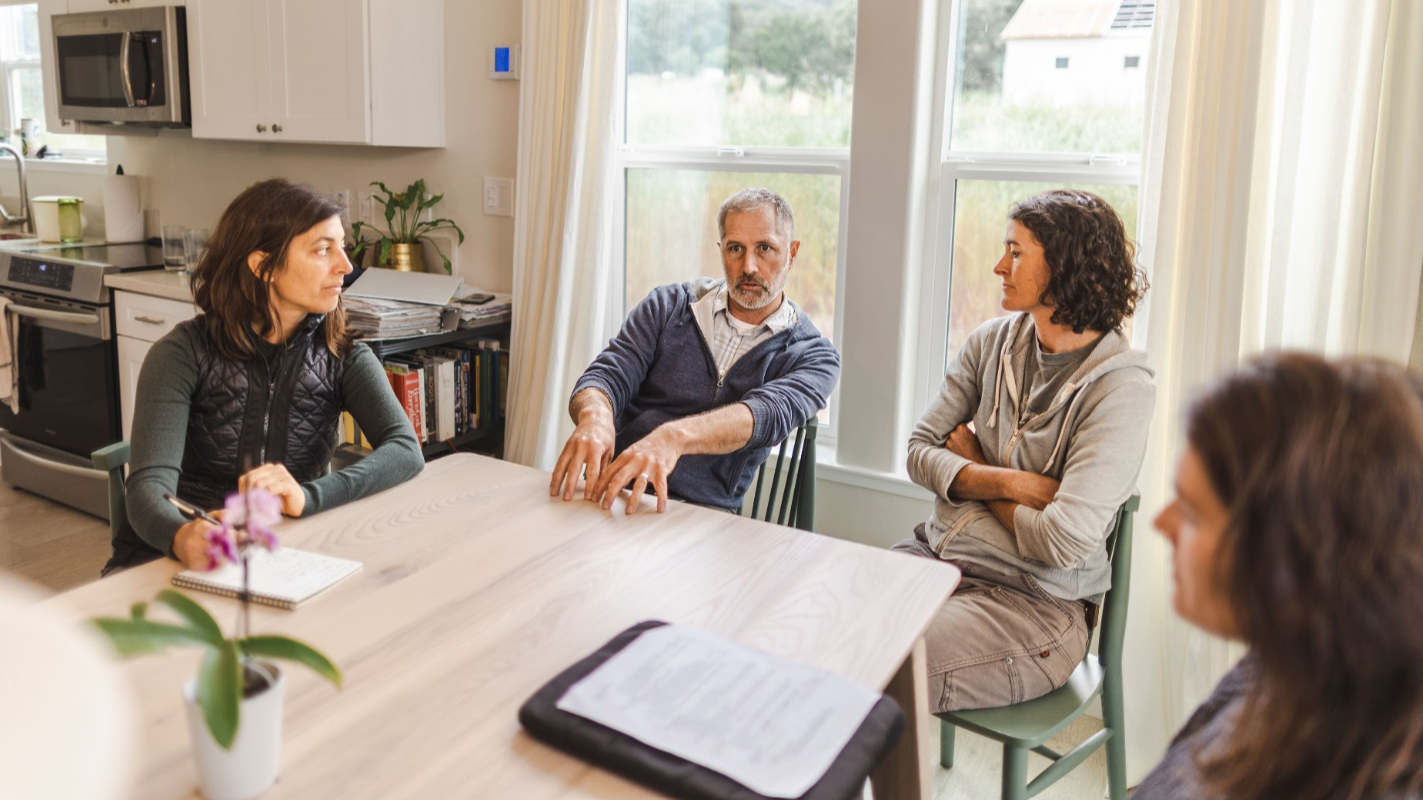
Kibo Farm, photo credit @Kelsey Joy Photography
Building Kitchen Table Advisors
When Woo connected with Anthony Chang via a mutual friend from NatureBridge and learned about what he wanted to build with KTA, she says it all just clicked into place.
“It was all the things that I've seen in my own journey as a small business owner and in working on a farm and working in food and working in nonprofits. It was all the things that I love deeply in my life and want to be able to be a part of," Woo says. “To be able to do that from the ground up was an incredible opportunity.”
From day one, the goal was to provide under-resourced farmers and ranchers with personalized, long-term business advising, coaching and support—something that has only deepened, Woo shares. Reflecting on KTA’s growth over the past 13 years, she points to trust as the organization’s foundation.
Relationships First: KTA’s model focuses on multi-year relationships with farmers, offering steady support through changing seasonal, financial, and regulatory landscapes.
Supporting the Team: As Co-Executive Director, Woo focuses on taking care of the staff who support the farmers—advocating for living wages, realistic workloads, and an organizational culture that avoids burnout.
Adaptive Leadership: Because agriculture faces constant shifts—from changing climate patterns to market fluctuations—KTA relies on flexible, unrestricted funding to stay responsive to community needs on the ground.
“Our client farmers and ranchers are amazing. It's an honor that we get to support them in this way and listen deeply to what they need to be able to heal our food system, to be able to build lives that support them as they support us—and to then help build a team that is nourishing our clients and agricultural communities,” Woo says.
Navigating today’s challenges
The world has changed immensely since 2013. Small-scale agricultural business owners today face ongoing external pressures, including land insecurity, high operational costs, climate impacts like floods and fires and shifting market channels. It takes time and investment to restore vibrancy and health to the soil to grow great food—but it can be tough to secure stable, long-term leases on quality farmland that’s not at risk for flood or fire, and the landscape is constantly shifting.
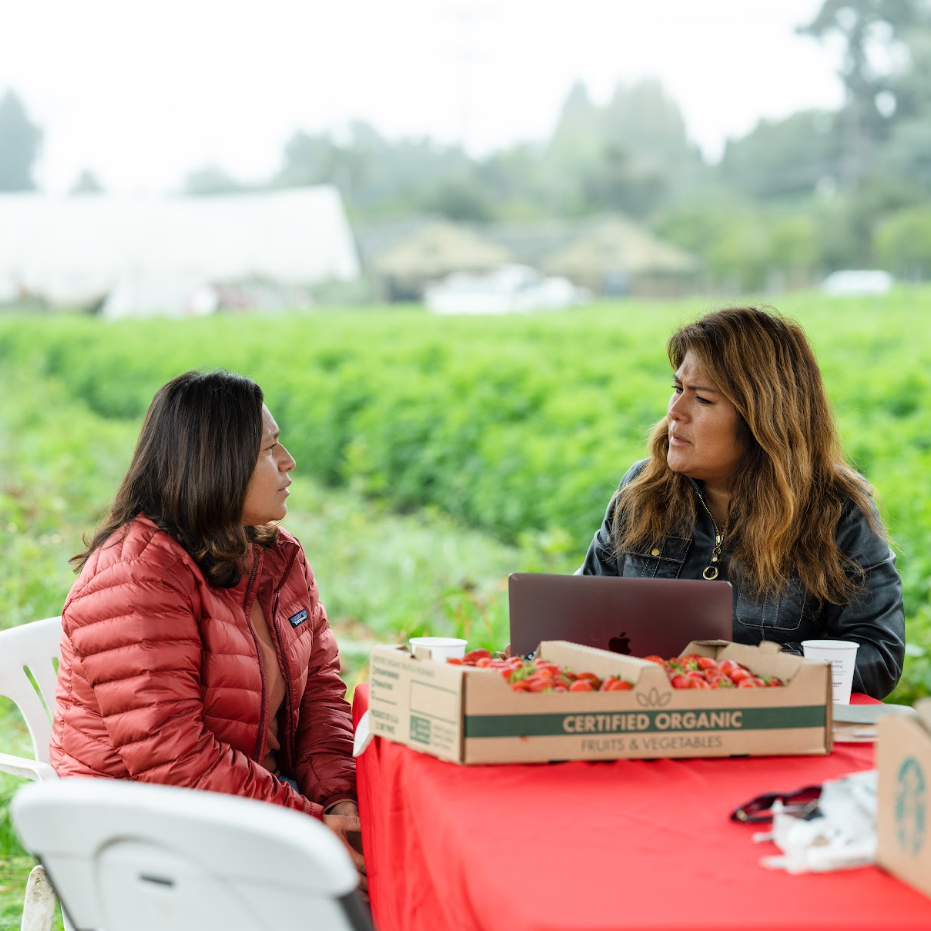
Sunshine Organics, photo credit @Paige Green Photography
When programs like the federal Local Food Purchasing Assistance (LFPA) were shut down, farms lost critical institutional buyer channels. Designed to maintain and improve resiliency in the food and agricultural supply chain, it used non-competitive cooperative agreements to provide funding for state, Tribal, and territorial governments to purchase locally produced foods. To help fill the gap left by its absence, KTA’s policy partners worked quickly to establish a similar program within the state of California.
The challenge highlighted the ongoing need for flexible infrastructure and advocacy to keep small-scale agriculture viable. Despite these headwinds, Woo remains grounded in the impact of community-led work. By supporting local producers in accessing land, capital, and market opportunities, KTA helps ensure that owners of sustainable farms and ranches can continue to feed their communities and care for the land.
“It feels hopeful that states are acknowledging the importance of investing in small-scale farmers and ranchers right now,” Woo says. “Because if we don't, particularly when it's so shaky across the board in this country, not being able to catch them before they go under, it's going to be so hard for us to rebuild that network of local producers.”
Woo says it’s why they work as hard as they do at KTA. To sustain that work, she says it’s vital that they take care of one another while they’re caring for their community of producers.
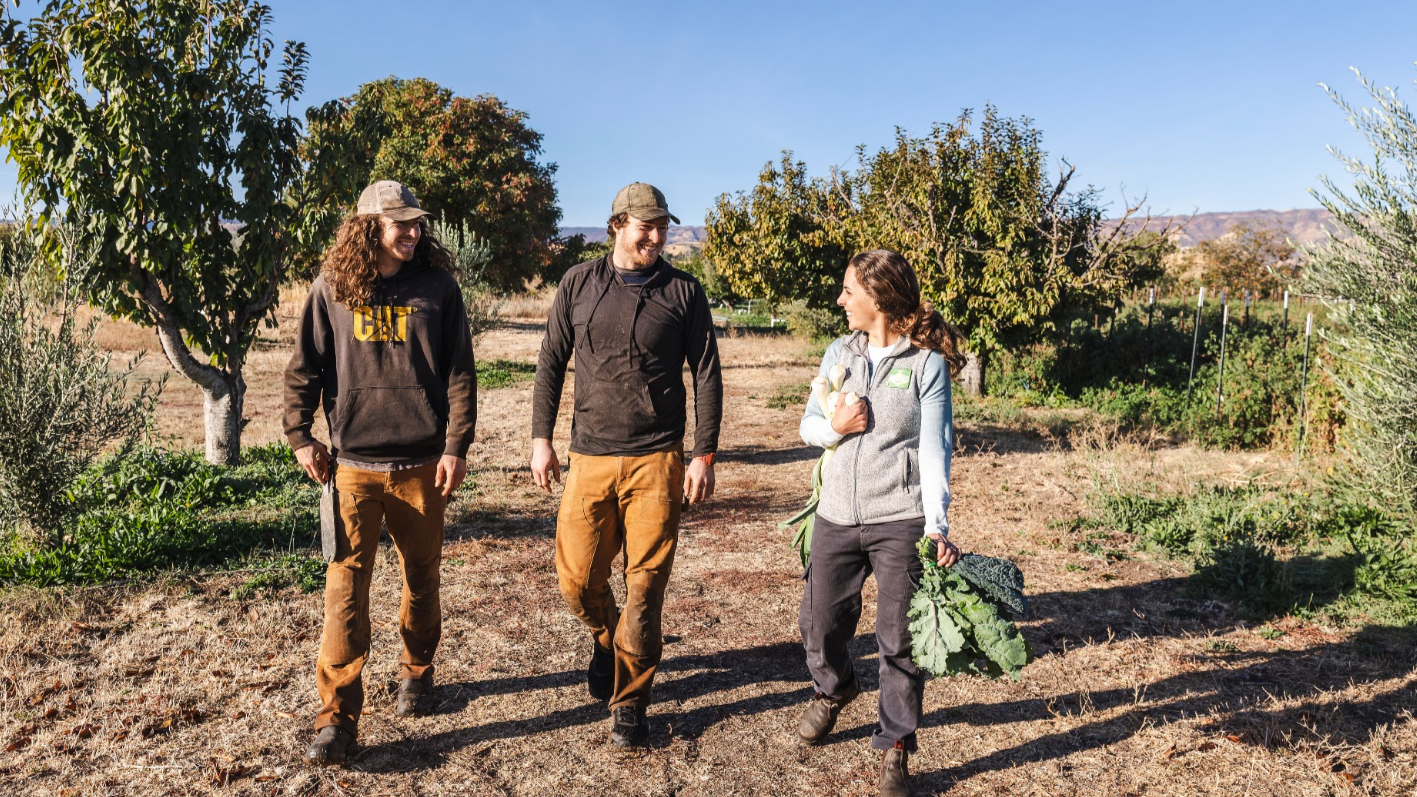
Farmboy Organics, photo credit @Kelsey Joy Photography
Caring for farmers and caring for each other
A key tool for KTA is gathering for in-person team retreats where the goal is to relax together—not solve problems or create a strategic plan. As a geographically dispersed team of 32, it’s rare for them all to be in the same place at the same time, and after using previous retreats as in-person working sessions, they felt the need to slow things down and make personal connections instead.
“We do so much work in collaboration, but a lot of it happens on screens or in smaller pockets of teams,” Woo says. “So having dedicated space for play and joy and learning from each other is an essential part of how we take care of each other and our clients.”
Another tool they use to fight burnout is institutional office closures—one week in summer, one week in winter—crucial reminders for collective rest.
“It's one thing to take PTO at your own pace and time, but oftentimes you come back to a ginormous inbox because people have been working while you were gone,” Woo says. “But if we all take a pause at the same time and we prepare people out in the world that we are going quiet for a little bit, that helps to recalibrate a little bit internally.”
The team is also establishing a sabbatical program to support rest and creativity. And just as importantly, Woo says they’re creating a space where people are able to process grief, instead of shying away from it. Working alongside clients whose communities are being impacted by ICE and who are grappling with their own safety and the wellbeing of their families, the KTA team must learn how to respond, Woo says.
“It's listening to the experiences of our team and then, where we can, building out the resources to support folks so that they can take care of themselves, their community and our clients when we're out in the field,” she says.
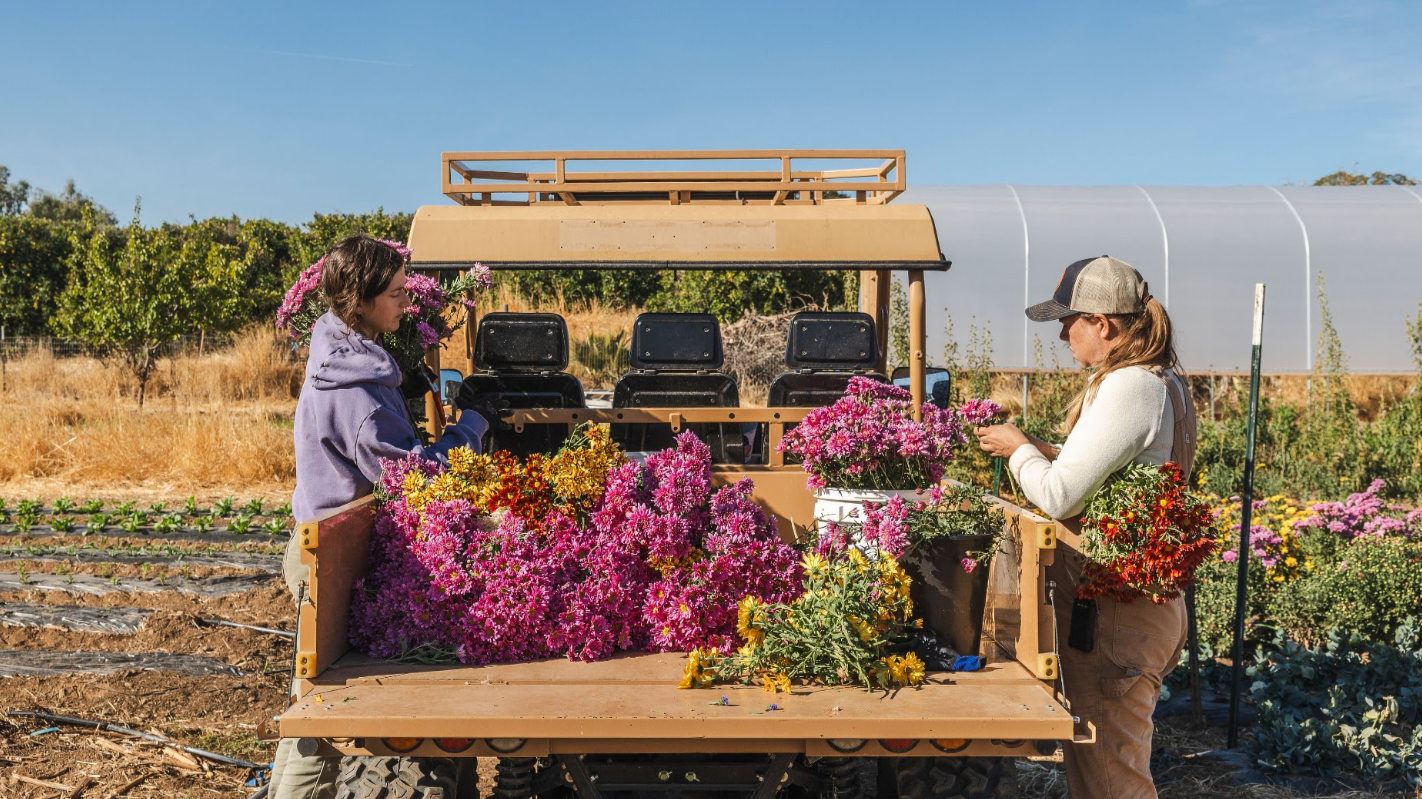
Rainwater Ranch, photo credit @Kelsey Joy Photography
Remembering the magic in our food
That holistic perspective is reflective of KTA’s philosophy as a whole. The land, the food, the people, the community—they’re all connected.
“It's not just about growing this perfect ripe peach that looks really great in the store,” Woo says. “I want to ask, how does this treat the soil? How does it affect the insects and the pollinators around us? How does it affect the water we are drinking and the air that we're breathing?”
She continues, “There's a magic in our food that we sometimes forget because we've commodified it so much. It's become such a quick, convenient thing that is just a part of our daily to-dos. We have to remember and reconnect to that magic.”
Whether or not you live in Northern or Central California, Woo says one of the most powerful things you can do to help their cause is to simply get to know the farmers in your own community.
“Take the time to get to know the people who are growing your food, know what they might need and show up for them, whether that's purchasing from the farmer's market or helping them get access to a new connection,” Woo says. “Often our farmers and ranchers are not seen—and that's one of the most powerful acts that anyone can do, whether that's directly supporting KTA or not. The more our clients are seen and valued and respected and honored, then that changes the way in which the world works.”
To learn more about Kitchen Table Advisors and support their work with farmers and ranchers, visit kitchentableadvisors.org.
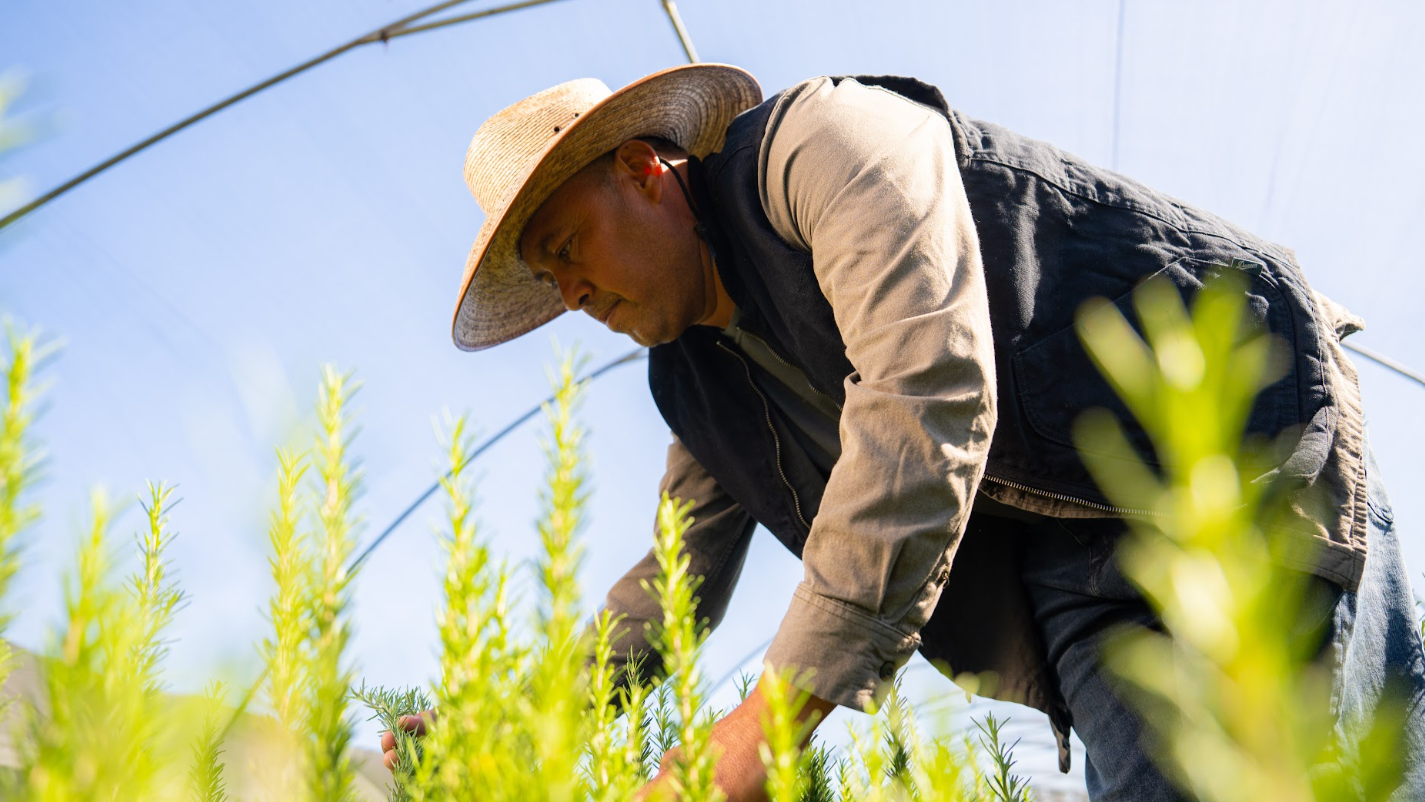
Buena Vista Organics, photo credit @PC Inspira Studios
We’re in a defining moment—a moment where we can choose to be overwhelmed, disconnected and discouraged, or where we can choose to be positive, embrace change and lift up the work of others seeking a better future together. At Mighty Arrow, we’re proud to support the work of the people and organizations out changing this world for the better—for all of us. Some may be small, some large. All are mighty. Each month, we highlight one of our Mighty Partners and we encourage you to get to know them, support them, and share their work with your friends, families and colleagues. Let’s get to work.