
It’s heartbreaking to see pollution with our own eyes, leaking into streams or being released into the atmosphere. This is our human health on the line. It feels urgent—and can spur citizens and lawmakers to action. But what about all the pollution that’s invisible to the naked eye?
More than 17 million people in America live within a half-mile radius of oil and gas extraction, facing health impacts and decreased quality of life from poisonous gas leaks though they can’t see where the pollution is actually coming from. That makes it difficult to make a case for better regulation. But Mighty Partner Earthworks is using an important tool for visualizing this type of pollution. We chatted with Andrew Klooster, Earthworks’ Colorado field advocate to learn about the power of optical gas imaging technology (OGI) and how they’re using it to hold polluting industries accountable.
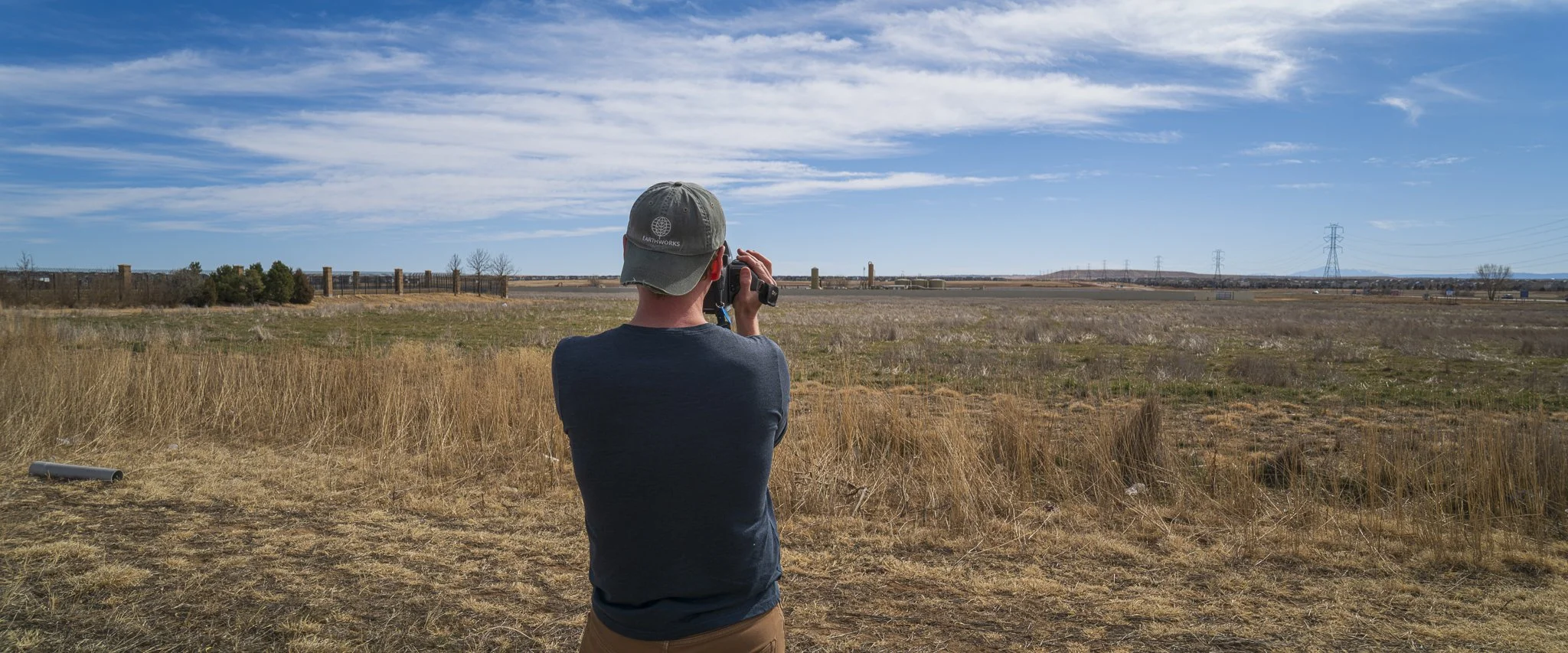
Photo credit @Earthworks
Using a tool of the industry
As a nonprofit working to protect people and the environment from adverse impacts of oil and gas development, Earthworks has often had their credentials or credibility questioned by those industries. So they turned to the very tool used by those industries: optical gas imaging.
An OGI camera visualizes gas plumes in real time, based on rates of infrared light absorption, exposing gas leaks instantly from a safe distance. Earthworks is one of few nonprofits with staff certified to operate OGI cameras, which they use to reveal methane pollution and other volatile organic compounds that threaten community health and speed climate change. This is crucial for helping local residents experiencing the health impacts of this pollution—as well as holding the polluters responsible.
One way Earthworks hones in on, or prioritizes, specific facilities is when community members reach out and express concern.
“Sometimes its health impacts that people think might be related to oil and gas, but they don't know for sure—because a lot of these pollutants aren't visible, you can't smell them, at least not when they're coming directly out of the wells,” Klooster says.
He continues, “Industry has a lot of money and influence to dismiss even video evidence of issues. Being able to visualize this stuff is powerful.”
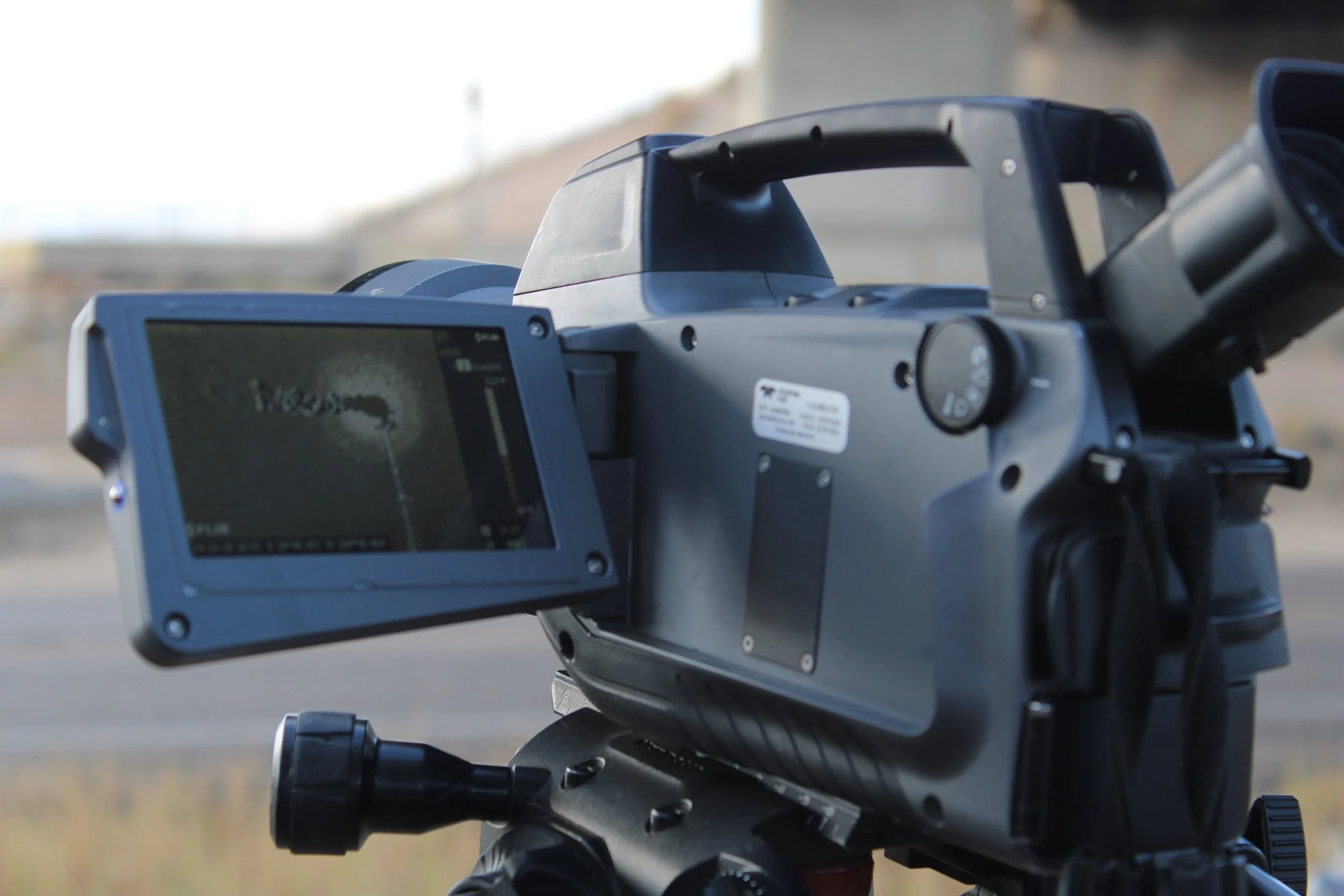
Photo credit @Earthworks
The imagery adds credibility to individuals’ stories, which so often have been dismissed. Often, as Klooster goes out with them to record a leak, it’s the first time they’ve felt taken seriously. Klooster feels the weight of this as an ally and advocate for those whose experiences have been discounted. He often leads tours where locals can observe through the camera firsthand, and footage is shared on YouTube playlists.
“Supporting communities means validating their experiences—lending our credibility to personal stories that might otherwise be dismissed,” Klooster says.
A tool for change
Earthworks uses their OGI evidence to shape public conversations about extractive industries, reform government policies and shift fossil fuel and mining industry practices. Even in states like Colorado, with some of the strictest air quality rules, Klooster often finds egregious pollution. With a gap between the number of inspectors and the number of wells in the state, enforcement simply can’t keep up—plus many parts of the extractive process slip between regulatory gaps.
Many of those gaps can’t be filled by adding more inspectors, Klooster says. The industry is simply challenging to regulate because, even with progressive rules, it’s difficult to have a comprehensive overview of all the different potential emission sources. Regulation has come through a patchwork approach, while the pollution is the same no matter where it is in the process.
“For instance, during the drilling and fracking phase on oil and gas well pads, most of the emissions that occur don't occur within any sort of regulatory oversight,” Klooster says.
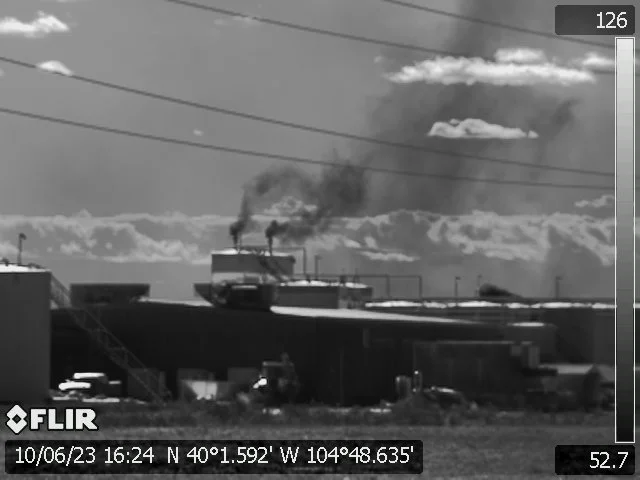
Photo credit @Earthworks
That simply reflects the temporary nature of the setup. Heavy equipment and high-powered engines are brought onto the pad for a few months of drilling, then hauled away.
“Those engines pollute a lot,” Klooster continues. “Because it's a temporary piece of equipment, it never fully goes through an air permitting process. And the emissions that are coming off of it, while they're modeled and maybe estimated, there's not a regulatory mechanism to force an operator to make a change.”
In Weld County recently, Klooster filmed a massive leak on a compressor station, with methane and volatile organic compounds pouring out of a cooling unit. He filmed the plume, tracing it across the entire horizon and shared it with the state. It wasn’t until that point that they—both the state and Earthworks—realized those cooling units were outside of current rules about repair timelines and leak detection. Since they aren’t subject to those rules, there is only so much the state can do to force the operator to fix that leak.
“That's part of the reason we use this data for advocacy, because when we find something like that, it's like, okay, this is something we need to fix,” Klooster says. “And sometimes that's a legislative fix, sometimes that's regulatory, sometimes it's bashing our head against the wall because this industry just pollutes on a 24/7 basis and gets away with a lot of it.”
The power of the personal
For Klooster, a tool like an OGI camera is a double-edged sword. On one hand, it can feel overwhelming when he’s witness, time after time, to massive emissions plumes—and the experiences of people whose health has been compromised, or whose communities have been inundated by oil and gas drilling. But the technology that brings the pollution to light is also powerful for advocacy and adds weight to their community stories—something they didn’t always have in their toolbox.
“It does give us more power to go toe-to-toe with industry and engage in these kinds of processes than we had before,” he says. “It also allows us to validate some of the concerns that communities have had for generations and have been ignored. And to me, that's one of the things that I always try to return to is there have been instances where we've made really substantive changes based on our evidence.”
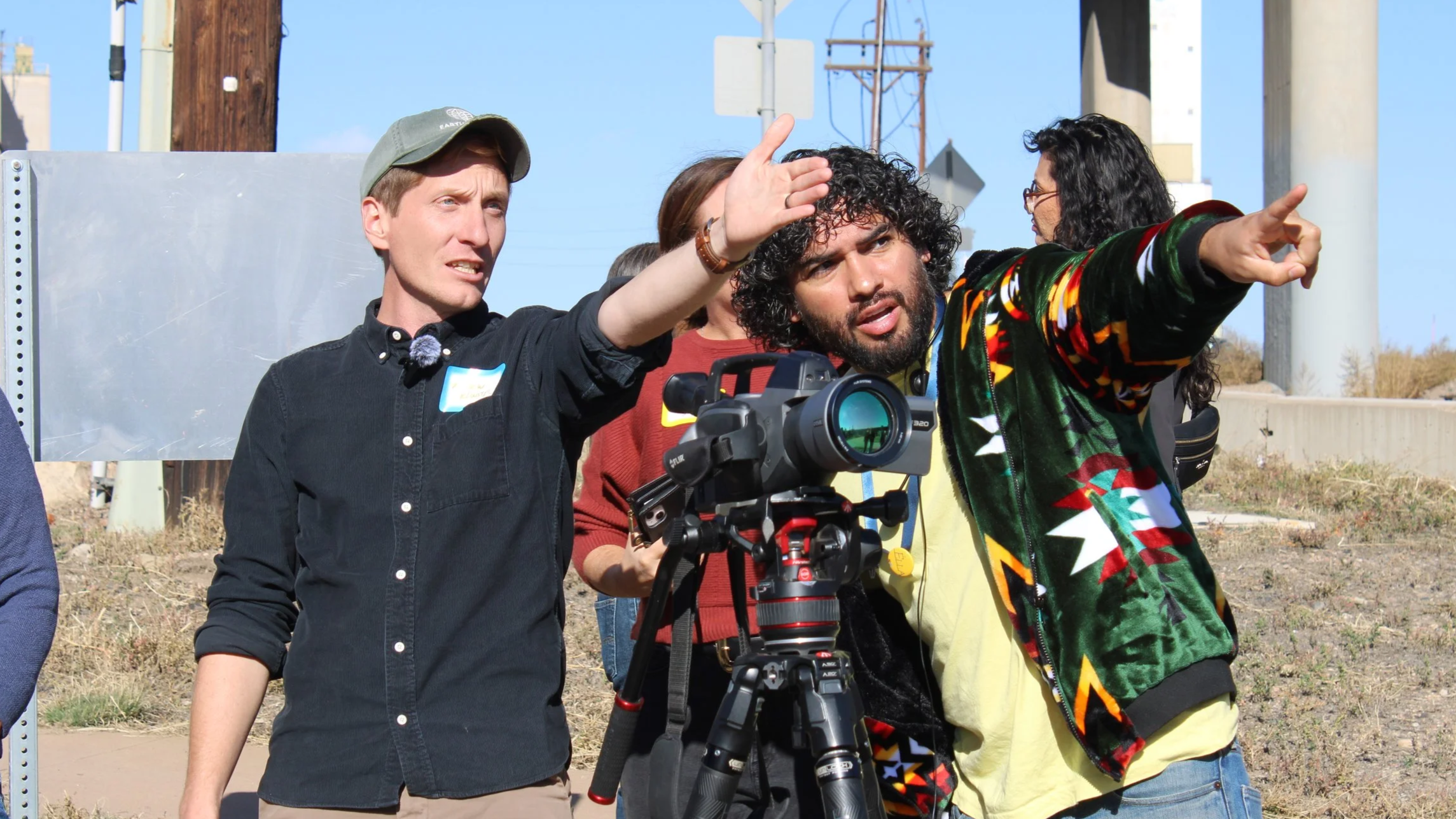
Photo credit @Earthworks
As federal administrations change, Klooster says it’s important for states to lead, and for progressive states like Colorado not to rest on their laurels. It doesn’t take much effort with an OGI camera to see how far there is to go. But stories of real-life change keep him going—like the case of a negligent operator in Larimer County, who poorly maintained about 100 wells.
“They were having an outsized impact on the people around there, who for years had suffered health impacts from the pollution. And it was another instance of us being the first to take the local citizen seriously,” Klooster says.
It took years after they first filmed emissions from one of those wells in 2021, but ultimately their body of evidence contributed to the state revoking that operator's license to operate in the state of Colorado. It may be a tiny drop of progress in a huge pond, but improving the health outcomes and quality of life of a handful of people north of Fort Collins by getting these facilities shut down is an example of real impact.
While passing bills or drafting rules can often feel thankless, improving someone’s life is gratifying in a special way—and it’s something Klooster often returns to.
“Does it solve the entire climate crisis? Absolutely not. But it's something—and it's something that we could do that has real impact in these communities. I think it's showing up in whatever way we can, with the tools and skills that we have and continue to push for the better world that we all want to live in.”
Find out more at Earthworks.org, where you can read more about their optical gas imaging practices.
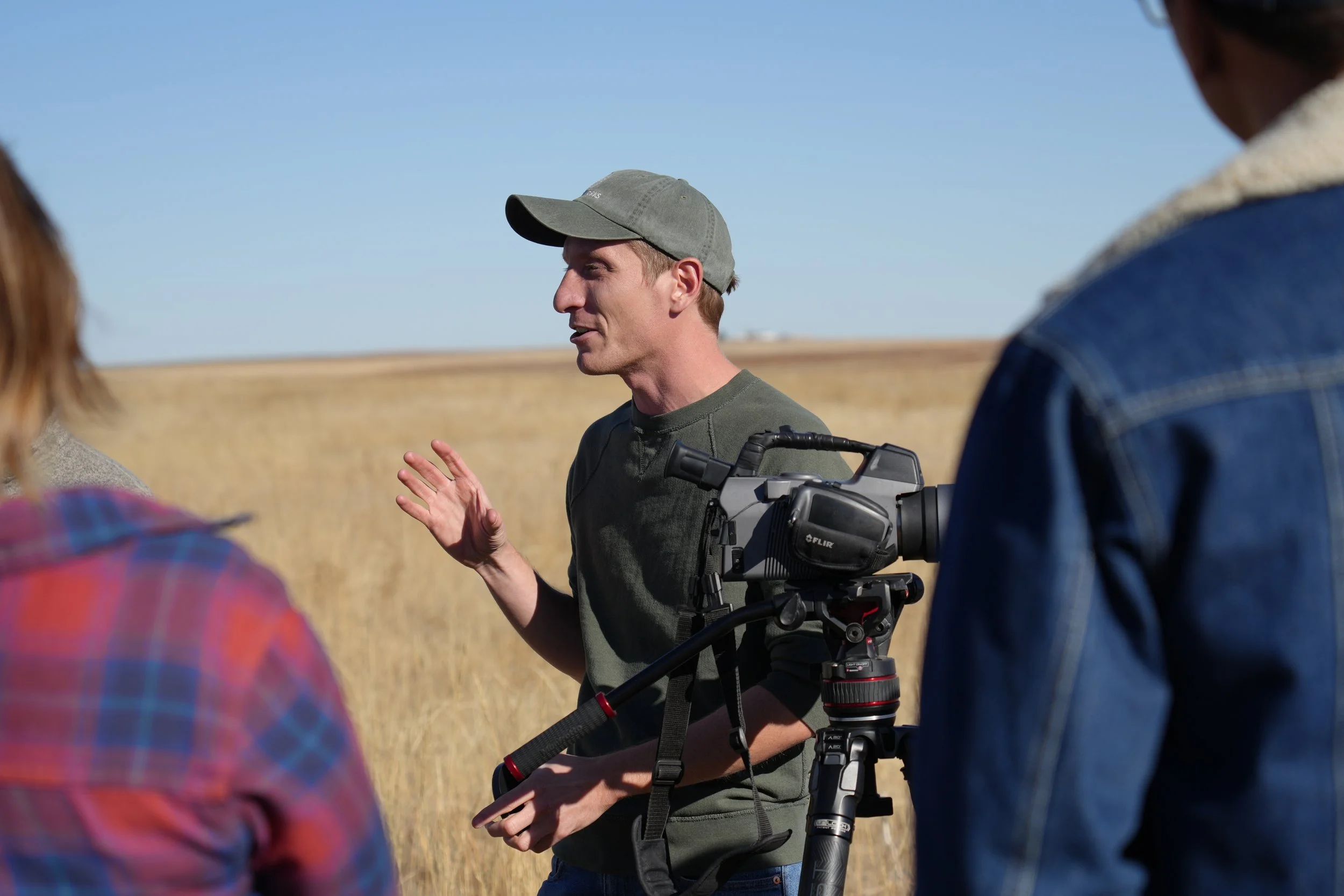
Photo credit @Earthworks
We’re in a defining moment—a moment where we can choose to be overwhelmed, disconnected and discouraged, or where we can choose to be positive, embrace change and lift up the work of others seeking a better future together. We’re proud to support the work of the people and organizations out changing this world for the better—for all of us. Some may be small, some large. All are mighty. Each month, we highlight one of our Mighty Partners and we encourage you to get to know them, support them, and share their work with your friends, families and colleagues. Let’s get to work.